Free Music Source Comparison Tool
Compare Legal Free Music Options
Service Comparison
| Feature | Details |
|---|---|
| Ad Presence | |
| Offline Access | |
| Audio Quality | |
| Special Features |
All options are legal and free when using authorized services. Avoid third-party downloaders and torrents.
Want free music? You’re not alone. Millions of people search for ways to listen without paying monthly fees or buying tracks. But here’s the truth: not all free music is legal, and not all free apps are safe. The good news? There are legit ways to get high-quality music for zero dollars-no pirated files, no malware, no guilt.
Streaming Services With Free Tiers
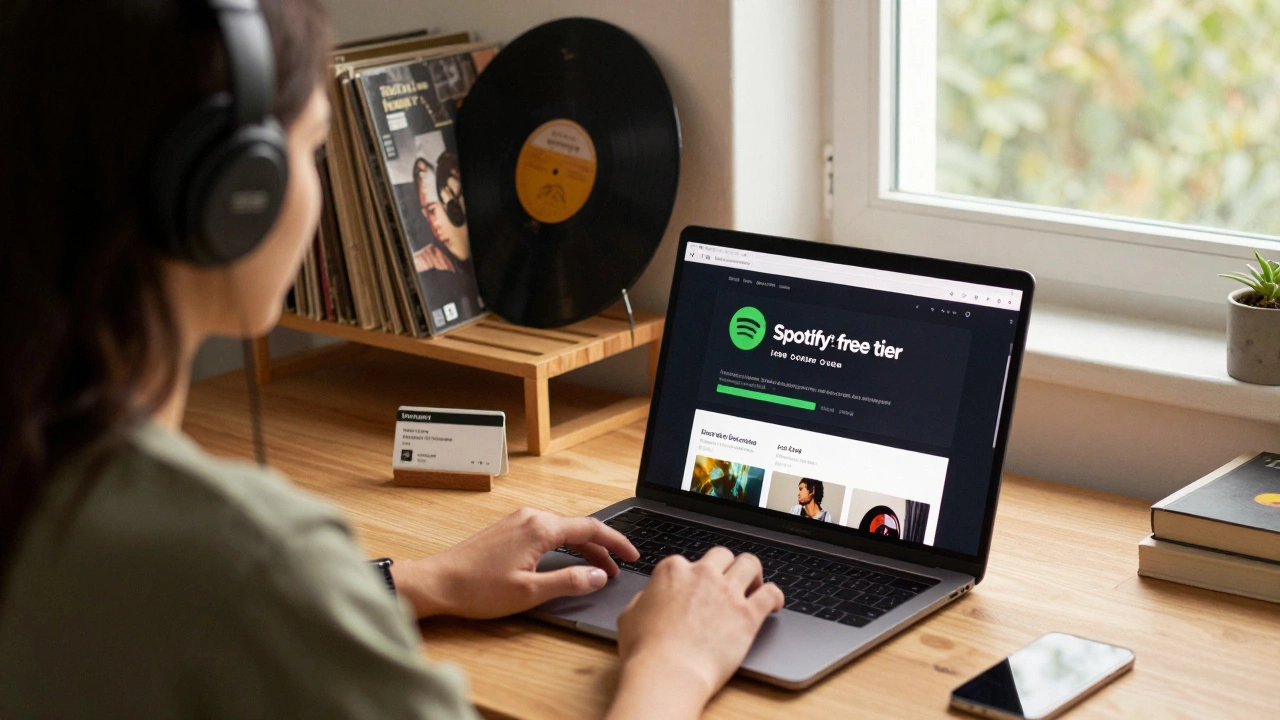
Spotify, YouTube Music, and Amazon Music all offer free versions. They’re not perfect, but they work. Spotify’s free plan lets you play any song you want, but you’ll hear ads every few tracks. You can’t skip more than six songs an hour, and you can’t download tracks for offline listening. Still, if you’re okay with interruptions and shuffle mode, it’s a solid option.
YouTube Music’s free tier is even more flexible. Since it pulls from YouTube’s entire library, you can find live versions, remixes, and rare tracks you won’t get elsewhere. Ads play between songs, and background playback doesn’t work on mobile unless you’re on Wi-Fi. But if you’re at home or in the office, it’s practically free radio with a massive catalog.
Amazon Music’s free plan is limited to a smaller selection-mostly top 100 hits and curated playlists. It’s not great if you like indie bands or deep cuts. But if you’re an Amazon Prime member, you get Amazon Music Unlimited for free, which includes over 100 million songs. That’s a hidden perk most people don’t know about.
Public Domain and Royalty-Free Music
Music older than 95 years is often in the public domain. That means no one owns the copyright anymore. You can legally download, use, and even remix it. Sites like the Internet Archive and Free Music Archive host thousands of old jazz records, classical symphonies, and folk songs from the early 1900s. Think of it as musical archaeology.
For modern tracks, look for royalty-free music. These are songs creators release under Creative Commons licenses. You don’t need to pay to use them, but you might need to credit the artist. Platforms like SoundCloud (filter by "Free to Use"), Jamendo, and ccMixter let you search by license type. Musicians upload these tracks to build exposure, not to make money. Many indie artists use this model to get heard.
Library Music Services
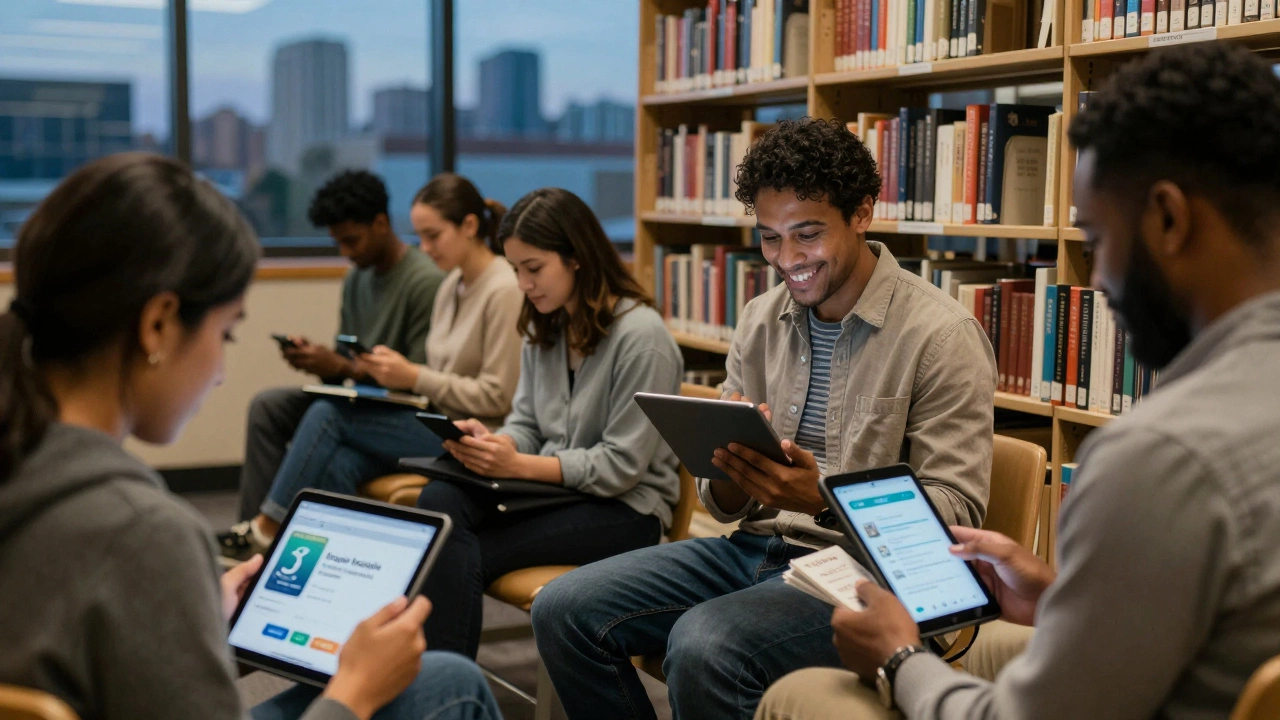
Public libraries in Canada, the U.S., and parts of Europe offer free access to music streaming through apps like Freegal and Hoopla. You just need a library card. Freegal lets you download five songs per week from major labels like Sony and Universal. Hoopla lets you borrow entire albums, audiobooks, and even movies-all without late fees. In Vancouver, the Vancouver Public Library gives you instant access to both services with just your library card number.
This is one of the best-kept secrets in music. Most people don’t realize their library card can unlock millions of songs for free. It’s legal, safe, and no ads. If you’re not using it, you’re missing out.
Artist Giveaways and Promo Codes
Independent artists often give away free music to grow their audience. Check Bandcamp. Many musicians offer "name your price" downloads-even $0. You can find full albums from emerging artists in genres like lo-fi, folk, and electronic. Some even include digital booklets, posters, or handwritten notes.
Record labels also run promo campaigns. Keep an eye on Reddit communities like r/FreeMusic or r/IndieMusic. When a new album drops, labels sometimes release limited-time free downloads through their mailing lists. Follow your favorite bands on Instagram or Twitter-they’ll announce free tracks during holidays, anniversaries, or album releases.
One artist in Montreal, Elise Lefebvre, gave away her entire 2024 album for free on Christmas Day. Thousands downloaded it. She gained 50,000 new followers. That’s the power of giving.
What to Avoid
Not all free music is safe. Sites like MP3Juices, 9xbuddy, or any "YouTube to MP3" converter are risky. They often bundle malware, steal your data, or violate copyright laws. In Canada, downloading music from unauthorized sources can lead to fines-even if you didn’t know it was illegal.
Also avoid torrents unless you know exactly what you’re downloading. Many torrents labeled as "free music" contain viruses or fake files. Even if you get the song, you’re supporting a system that harms artists.
And don’t trust apps that promise "unlimited free downloads" with no ads. They’re usually scams. Real free music doesn’t come with hidden costs.
How to Build Your Free Music Library
Start small. Pick one method and stick with it for a month.
- Sign up for your local library’s digital music service.
- Use Spotify Free or YouTube Music Free for daily listening.
- Visit Free Music Archive once a week to discover new public domain tracks.
- Follow five indie artists on Bandcamp and check for free downloads.
- Turn off auto-play on YouTube to avoid accidental ads.
After a few weeks, you’ll have a playlist that’s diverse, legal, and cost-free. You might even find your new favorite artist.
Why This Matters
Music is art. Artists spend years writing, recording, and promoting their work. When you use legal free options, you’re not stealing-you’re supporting a system that lets creators share their work without gatekeeping. Libraries, Creative Commons, and artist giveaways exist because people care about access, not just profit.
Free music isn’t about cutting corners. It’s about finding smarter, kinder ways to enjoy what you love.
Is it illegal to download music for free?
It depends on where you get it. Downloading from unauthorized sites like YouTube converters or torrents is illegal in most countries, including Canada. But using free tiers of Spotify, library services like Freegal, or downloading from artists who offer free tracks is completely legal.
Can I use free music in my videos?
Yes-if the music is labeled as royalty-free or under a Creative Commons license that allows reuse. Always check the license terms. Some require you to credit the artist. Avoid using songs from Spotify or Apple Music in videos-they’re licensed for personal listening only.
Do free music apps have good sound quality?
Most free streaming services offer 128 kbps audio, which is fine for casual listening. Library services like Freegal and Hoopla stream at 320 kbps-CD quality. Royalty-free music on Free Music Archive varies, but many tracks are 320 kbps or higher. If you care about sound, stick with library services or direct downloads from artists.
Are there free music apps for Android and iPhone?
Yes. Spotify, YouTube Music, and Amazon Music all have free apps for iOS and Android. Freegal and Hoopla also offer mobile apps-just log in with your library card. Avoid third-party apps that promise unlimited downloads; they’re often unsafe or violate app store policies.
Can I download free music to listen offline?
On free Spotify or YouTube Music, no-you need a paid plan. But with Freegal, you can download five songs per week to keep forever. Hoopla lets you borrow albums for 21 days. Bandcamp artists often let you download tracks directly after clicking "free". These are your best options for offline listening without paying.
Next Steps
If you’re new to free music, start today. Go to your library’s website and sign up for Freegal. Open Spotify and switch to the free plan. Visit Free Music Archive and search for "classical" or "folk". You’ll be surprised how much you can access without spending a cent.
And if you find a song you love? Share it. Tag the artist. Leave a comment. That’s how free music thrives-not by taking, but by giving back.