Ticketmaster Fee & Total Cost Calculator
Enter your ticket details below to see how much you'll actually pay at checkout, including common fee structures.
Cost Breakdown
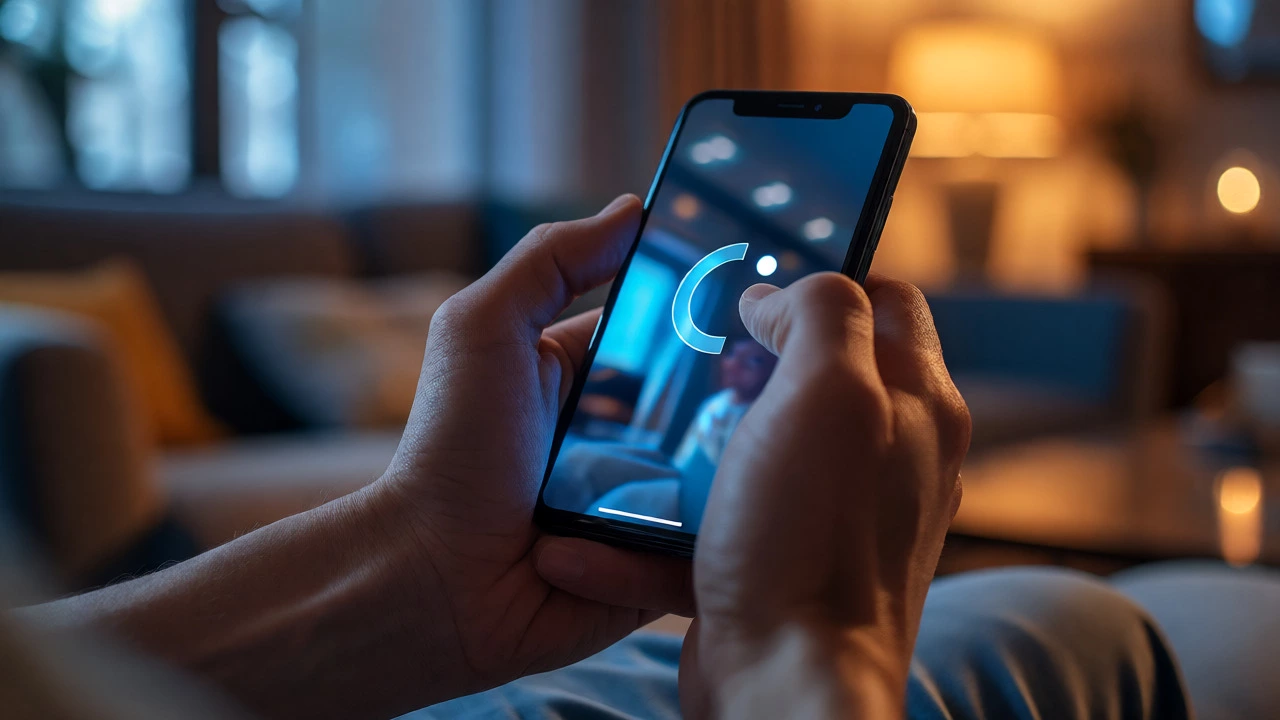
You’ve got the date locked in. Your favorite band is finally touring your city. You refresh the page, heart pounding, ready to secure those seats. Then it hits you: the queue screen. The spinning circle. The sudden realization that a $50 ticket might cost you $85 by checkout. If you’ve ever stared at your bank account wondering if Ticketmaster is actually worth the headache, you’re not alone.
The short answer? Yes, it’s safe. But "safe" doesn’t mean "stress-free." For millions of fans, Ticketmaster is the only door into the arena, but walking through it often feels like navigating a maze designed by someone who hates joy. Let’s break down what’s really happening when you buy tickets, why the fees are so high, and how to actually get a good seat without losing your mind.
Why Everyone Uses It (Even When They Hate It)
Here’s the reality: Ticketmaster is a ticket sales and distribution company owned by Live Nation Entertainment. Because Live Nation promotes most major tours, they own the exclusive rights to sell tickets for huge chunks of the industry. This isn’t just about convenience; it’s about monopoly power. When an artist signs with Live Nation, their tour dates usually go on sale exclusively through Ticketmaster.
This means if you want to see Taylor Swift, Beyoncé, or The Weeknd, you likely don’t have a choice. You can’t just pop over to a local box office or try a different online vendor because the inventory simply doesn’t exist there. It creates a scenario where you’re forced to use a platform you might find frustrating, simply because it holds the keys to the castle.
| Platform | Primary Source | Fee Structure | Best For |
|---|---|---|---|
| Ticketmaster | Live Nation Tours & Local Venues | High (Service + Delivery + Facility) | Major Arena/Stadium Tours |
| AXS | AEG Presents (e.g., Staples Center/LA) | Moderate-High | Venues owned by AEG |
| StubHub | Secondary Market (Resale) | Variable (Buyer/Seller Fees) | Sold-out shows, last-minute buys |
| Local Box Office | Venue Direct | Lowest (Often no service fee) | Small clubs, early bird sales |
The Fee Breakdown: Where Does Your Money Go?
If you look closely at your receipt, you’ll see the face value of the ticket is often just half the battle. Ticketmaster splits its charges into three main buckets: Service Fee, Order Processing Fee, and sometimes a Facility Charge. Critics argue these are hidden markups, while the company claims they cover the tech infrastructure and support staff required to handle billions of transactions.
Let’s say a ticket has a face value of $75. By the time you hit checkout, you might be paying $110. That extra $35 isn’t going to the artist. It’s staying with the platform. In 2026, with dynamic pricing becoming even more common, this gap can widen further. Dynamic pricing adjusts ticket costs based on real-time demand. If ten thousand people click "buy" in one minute, the price jumps automatically. You aren’t just paying for the seat; you’re paying for the popularity of the moment.
How to Beat the Queue (And Keep Your Sanity)
Getting into the virtual waiting room is the first hurdle. Here’s the playbook for increasing your odds:
- Create your account beforehand: Don’t wait until the sale starts to enter your credit card info. Have everything saved in your profile so checkout takes seconds, not minutes.
- Use one device per tab: Counterintuitively, opening multiple tabs on the same browser can sometimes flag you as a bot. Stick to one clean session.
- Check the venue’s presale codes: Many venues offer exclusive access to members or newsletter subscribers. These codes often drop 24-48 hours before the general public sale.
- Beware of third-party resellers: If you miss the initial drop, sites like StubHub or Vivid Seats allow resale. However, verify that the tickets are transferable via the official app to avoid scams.
Pro tip: If you’re buying for a group, split the purchase. Buying four seats in one transaction increases the risk of inventory issues or payment declines compared to two separate pairs.
Dynamic Pricing: Friend or Foe?
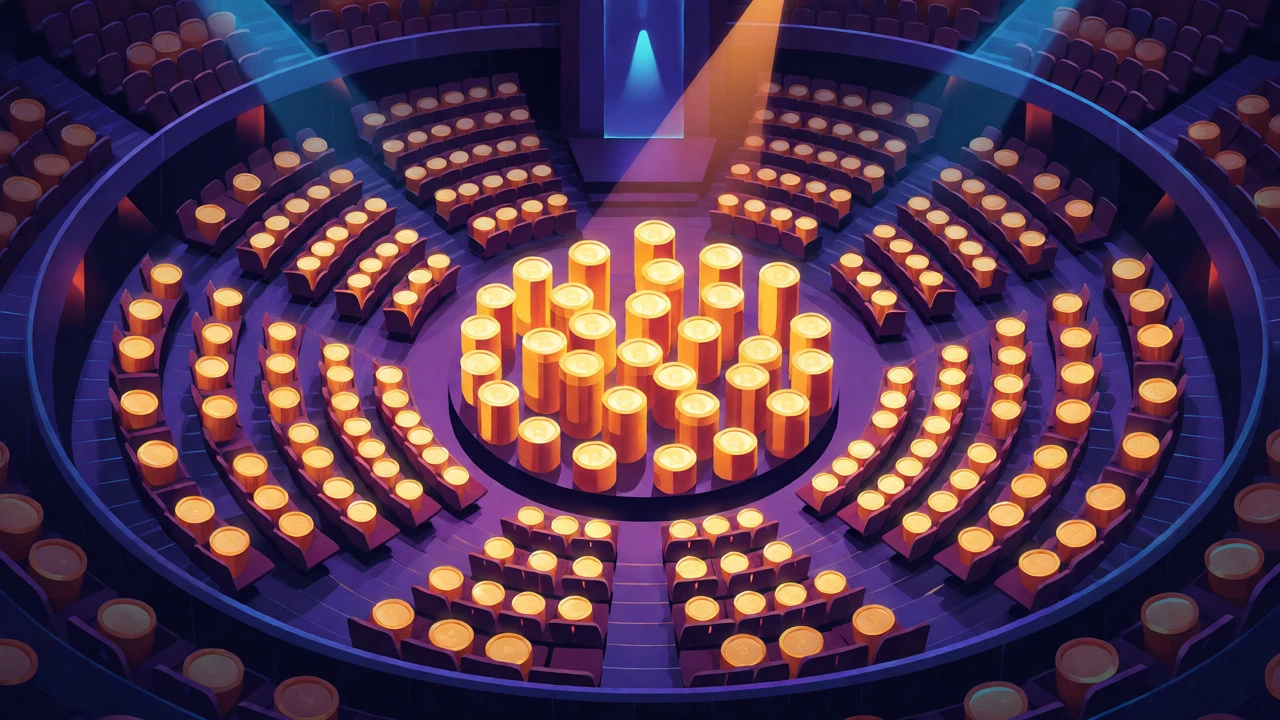
Remember when ticket prices were fixed? Gone. Today, dynamic pricing is the standard for major acts. This algorithmic approach raises prices when demand spikes and lowers them when interest wanes.
For the consumer, this is a double-edged sword. On one hand, you might snag a great deal if you buy weeks in advance for a less-hyped show. On the other, you could pay triple the face value for a front-row seat to a superstar’s encore tour. There’s no way to predict exactly how the algorithm will react, which makes budgeting difficult. Some fans now wait until the day of the show, hoping for price drops, though this is risky for sold-out events.
Is It Safe? Scams and Transfer Rules
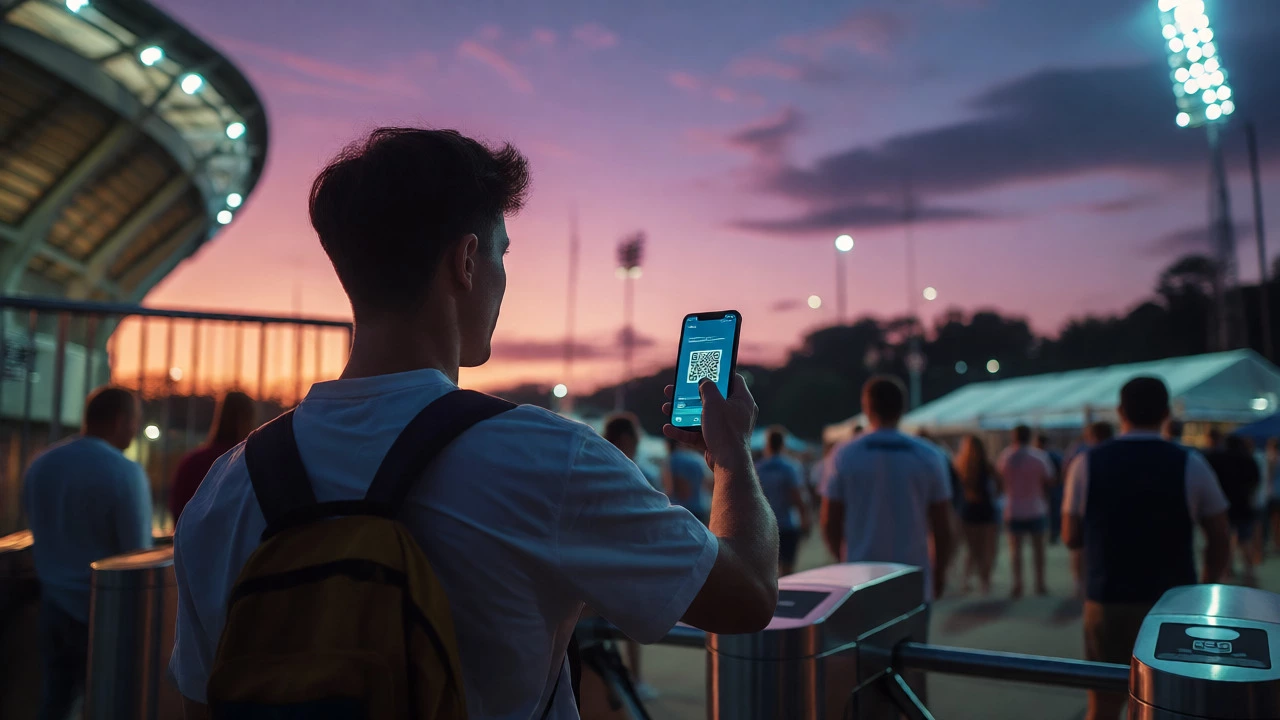
Yes, buying directly from Ticketmaster is safe. The tickets are digital barcodes linked to your account, making them hard to duplicate. However, the danger lies in the secondary market. Buying from a random person on Facebook Marketplace who promises to "text you the code" is a recipe for disaster. Codes can be screenshot and reused by scammers before you arrive.
Always insist on using the official ticket transfer feature within the app. This moves the ownership record securely to your phone. If a seller refuses to use the app and wants cash upfront, walk away. In 2026, legitimate sellers rarely bypass the official transfer system because it protects both parties.
Alternatives Worth Considering
While Ticketmaster dominates, it’s not the only player. AXS powers many modern arenas, particularly those managed by AEG, such as the Crypto.com Arena in Los Angeles. Their interface is similar, but fees can sometimes be slightly lower. Always check who runs the specific venue you’re attending.
For smaller gigs, club shows, or festivals, independent platforms like Eventbrite or the venue’s own website often list tickets. These frequently lack the heavy service fees found on major tours. If you’re open to seeing lesser-known bands or local scenes, you’ll save money and hassle by avoiding the big-ticket ecosystem entirely.
Final Verdict: Should You Use It?
Is Ticketmaster OK to use? Absolutely. It’s reliable, widely accepted, and technically robust. But "OK" is doing a lot of heavy lifting here. It’s functional, not friendly. You should use it when you have no choice-usually for major stadium tours-but approach it with eyes wide open. Know that you’re paying a premium for convenience and exclusivity. Budget for the fees, set alerts for presales, and never trust a paper ticket from a stranger. With a bit of strategy, you can survive the checkout process and focus on what matters: the music.
Why are Ticketmaster fees so high?
Ticketmaster argues that fees cover the technology, customer service, and fraud protection needed to process millions of transactions. Critics contend that because Live Nation controls most major tours, there is little competition to keep fees low. The fees also help subsidize the free ticketing services provided to smaller venues.
Can I get a refund if my event is canceled?
Yes. If an event is canceled outright, you are typically refunded the full amount, including all service fees. However, if you choose not to attend a postponed event, refund policies vary by promoter. Always check the specific terms listed on your order confirmation email.
What is the difference between primary and secondary tickets?
Primary tickets are sold directly by the venue or organizer (like Ticketmaster) at face value plus fees. Secondary tickets are resold by fans or professional brokers on platforms like StubHub or SeatGeek. Secondary prices fluctuate based on demand and can be significantly higher than face value.
Does Ticketmaster hold my personal data securely?
Ticketmaster uses standard encryption protocols to protect user data. While no system is immune to breaches, they adhere to PCI compliance standards for handling credit card information. It is still wise to monitor your bank statements after large purchases.
How do I avoid bots when buying tickets?
Bots are aggressive buyers. To combat them, Ticketmaster uses verification systems like Smart Queue. As a human buyer, ensure your internet connection is stable, log in early, and avoid refreshing the page too rapidly, as this can trigger security blocks.