Copyright Compliance Checker
Describe Your Scenario
Select your scenario and click "Check Legality" to see the verdict.
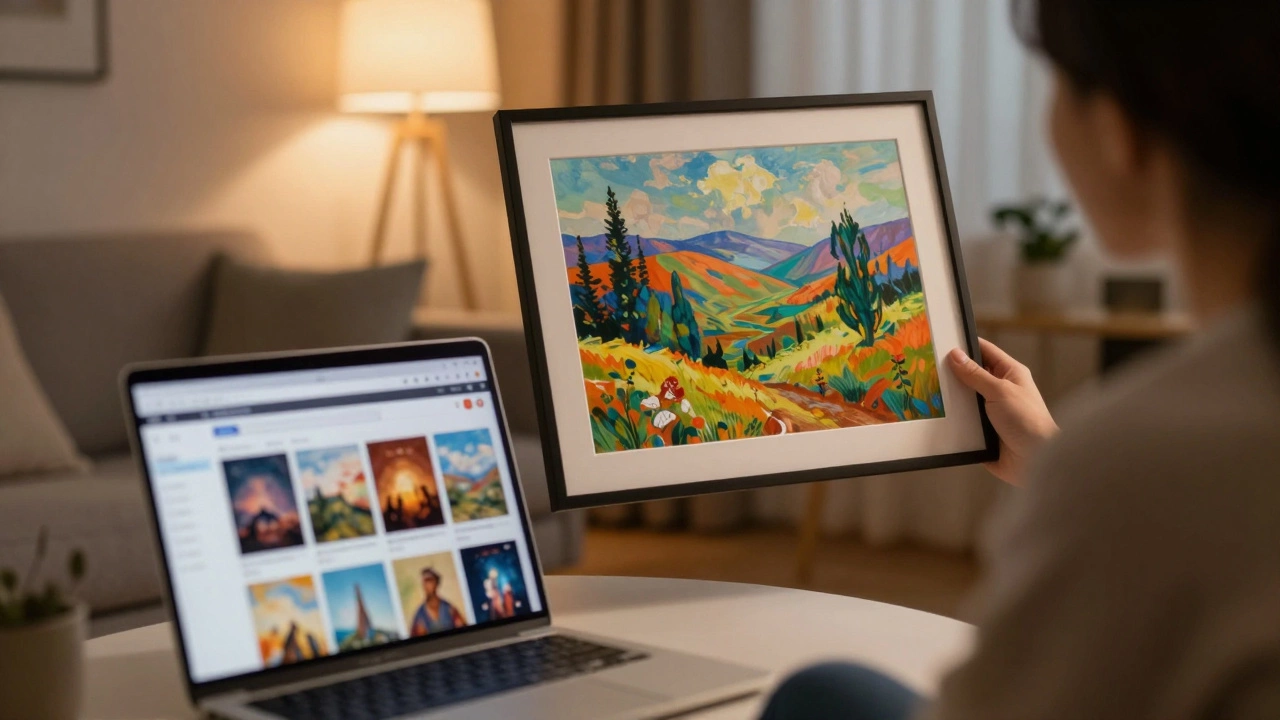
You found a stunning image online. Maybe it’s a photograph by a local artist, a painting from a museum’s website, or a digital illustration on social media. You love it so much that you want to hang it in your living room. So, you download the file and send it to a print shop. Is this okay? The short answer is: usually, no.
Many people operate under the assumption that if they aren’t making money from an image, they are free to use it however they like. This is a dangerous misconception. In the world of intellectual property, "personal use" does not automatically grant permission to reproduce copyrighted material. Understanding the difference between viewing art and reproducing it can save you from legal headaches and support the artists you admire.
The Myth of "Personal Use"
Let’s clear up the biggest confusion first. When you buy a physical painting or a framed poster, you own the object. You can hang it, sell it, or even burn it (though we don’t recommend that). However, owning the physical copy does not mean you own the copyright, which is the legal right granted to creators of original works to control how their work is used, reproduced, and distributed.
This same principle applies to digital files. When you download an image from the internet, you have a license to view it. You do not have a license to reproduce it. Printing a high-resolution copy for your home wall is technically an act of reproduction. Under most international copyright laws, including those in the United States, the European Union, and many other jurisdictions, the exclusive right to reproduce a work belongs to the copyright holder-usually the artist or the entity that commissioned the work.
So, why doesn’t anyone seem to get in trouble for printing photos from Google Images? Enforcement is the key. Most individual artists lack the resources to track down every person who prints a single photo for their bedroom. But just because you might not get caught doesn’t make it legal. It’s similar to jaywalking; the police might not stop you every time, but the rule still exists for safety and order.
When Does Fair Use Apply?
You’ve probably heard the term Fair Use, which is a doctrine in US copyright law that allows limited use of copyrighted material without requiring permission from the rights holders, typically for purposes such as criticism, comment, news reporting, teaching, scholarship, or research. People often cite Fair Use as their shield when printing art for personal enjoyment. Unfortunately, it rarely protects simple personal decoration.
Fair Use is determined by four factors:
- Purpose and character of the use: Is it transformative? Did you add new meaning or message? Simply printing a photo to look nice is not transformative. It’s a direct copy.
- Nature of the copyrighted work: Creative works (like paintings and photos) get stronger protection than factual works (like news articles).
- Amount and substantiality of the portion used: Did you use the whole image? If yes, this weighs against Fair Use.
- Effect on the potential market: Does your use replace the need for someone to buy the official product? If you print a photo yourself instead of buying a licensed print from the artist, you are directly affecting their market.
In the case of printing art for your walls, the fourth factor is the dealbreaker. By printing the image yourself, you are bypassing the artist’s ability to sell prints. Even if you only make one copy, you are engaging in an activity that competes with the artist’s commercial interests. Therefore, Fair Use is unlikely to protect you here.
Public Domain and Creative Commons
Not all art is protected by strict copyright. There are two main categories where you can legally print art for personal use without asking for permission: Public Domain and Creative Commons.
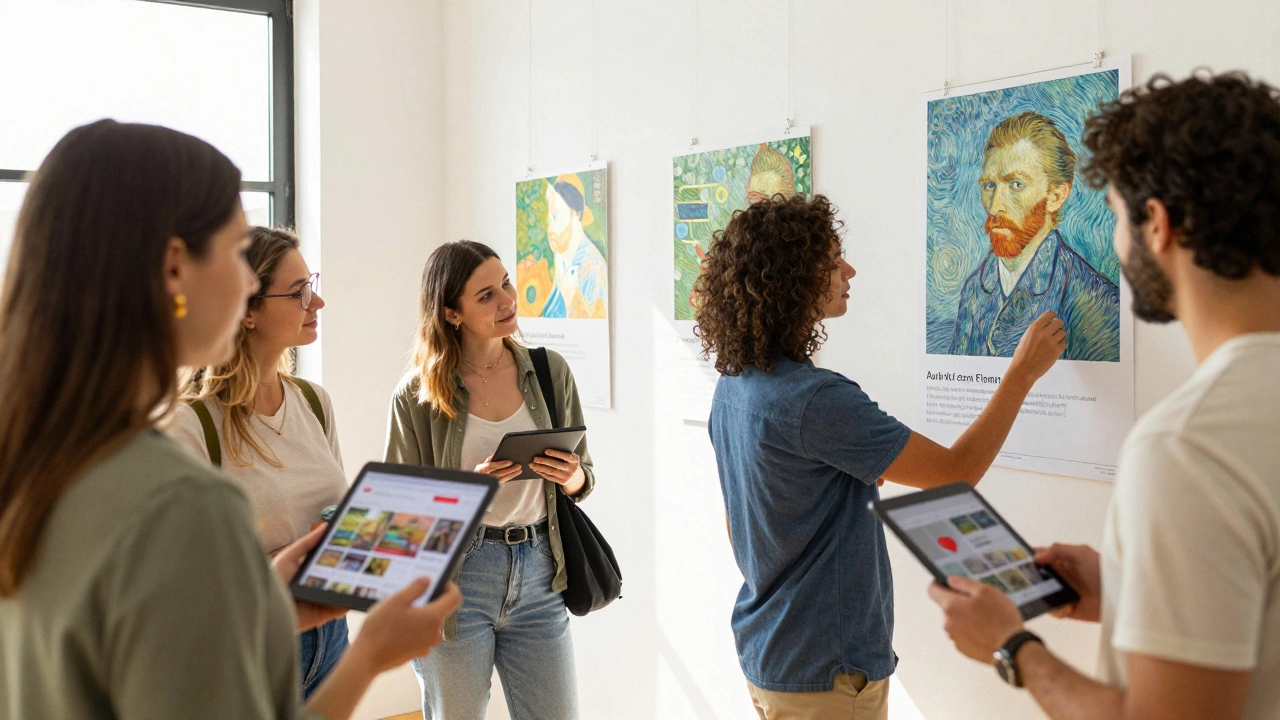
Public Domain works are those where the copyright has expired or was never applicable. In the United States, any work published before January 1, 1929, is generally in the public domain. This means you can print images of Vincent van Gogh’s paintings or early photographs by Ansel Adams freely. These works belong to everyone. However, be careful with modern reproductions. While the original painting is public domain, a specific high-resolution photograph taken by a museum of that painting might be copyrighted by the museum or the photographer. Always check the source.
Creative Commons (CC) licenses allow creators to share their work with specific permissions. There are several types of CC licenses:
| License Type | Can I Print for Personal Use? | Requirements |
|---|---|---|
| CC0 (Public Domain Dedication) | Yes | No attribution required. Do whatever you want. |
| CC BY (Attribution) | Yes | You must credit the creator. For personal use, this is often informal, but still required. |
| CC BY-NC (Non-Commercial) | Yes | You cannot make money from it. Personal use is fine. Credit is required. |
| CC BY-ND (No Derivatives) | Yes | You can print it, but you cannot edit or modify the image. Credit is required. |
| CC BY-NC-ND | Yes | Strictest license. Print for personal use only, no changes, give credit. |
If you find art labeled with these licenses, you are on safe ground. Just remember to follow the specific terms, especially regarding attribution.
The Ethical Side: Supporting Artists
Beyond the legalities, there is an ethical consideration. Artists spend years honing their craft. Many rely on the sale of prints to fund their studio time, materials, and livelihood. When you print their work yourself, you take that revenue stream away.
Consider this scenario: You see a beautiful landscape photo by a photographer named Sarah. She sells 8x10 prints for $25. That price covers her camera gear, editing software, and time. If you download her image and print it at home for $5, you save $20. But Sarah loses $25. Over time, if everyone did this, Sarah would stop taking photos.
Printing art for personal use without permission is essentially theft of labor. It might feel harmless because it’s just one print for your wall, but it devalues the creative process. If you truly love an artist’s work, the best way to show appreciation is to buy their official products or commission them directly.
How to Legally Print Art You Love
Want to decorate your space with amazing art without breaking the law or hurting artists? Here are some practical steps:
- Buy Official Prints: Most artists sell prints on their websites or through platforms like Etsy, Saatchi Art, or Fine Art America. This ensures the artist gets paid.
- Look for Free-to-Use Resources: Websites like Unsplash, Pexels, and Pixabay offer high-quality images that are free to use, often under CC0 or similar licenses. You can print these for personal use without worry.
- Contact the Artist: If you really want a specific image that isn’t available for purchase, ask the artist. Some may give you permission for a small fee or even for free if they appreciate your interest. Never assume silence means consent.
- Create Your Own Art: If you’re tech-savvy, try creating your own designs using stock elements that are licensed for personal use. Tools like Canva or Adobe Express offer libraries of assets you can combine into unique pieces.
What About Museum Reproductions?
Museums often sell postcards and prints of famous artworks. These are legal because the museum holds the rights to the photographic reproduction or has licensed them from the estate of the artist. However, downloading a high-res image from a museum’s website and printing it yourself is different. Museums invest heavily in digitizing their collections. They expect visitors to buy their merchandise to support conservation efforts. Bypassing this undermines their mission.
Some museums, like the Metropolitan Museum of Art in New York, have released thousands of images into the public domain. Check their "Open Access" section for images you can freely print. But always verify the status of each image.
Risks of Ignoring Copyright
While the likelihood of being sued for printing one photo for your home is low, it’s not zero. Digital footprints are everywhere. If you upload a photo of your printed art to social media, the original artist or their representative could identify it. Watermarks, metadata, and reverse image searches make tracking easier than ever.
Consequences can range from a cease-and-desist letter to financial penalties. In the US, statutory damages for copyright infringement can range from $750 to $30,000 per work, and up to $150,000 for willful infringement. Even if you settle out of court, the stress and cost are not worth saving a few dollars on a print.
Summary: What Should You Do?
Printing art for personal use is a gray area that leans heavily toward illegal and unethical when done without permission. The myth that "non-commercial equals free" is false. To stay on the right side of the law and support the creative community, stick to public domain works, Creative Commons licensed images, or official purchases. Your walls will look great, and your conscience will remain clear.
Can I print a photo from Instagram for my wall?
No. Photos on Instagram are copyrighted by the photographer. Downloading and printing them without permission violates their copyright, even if it's just for your home. Always look for official print options or ask the artist for permission.
Is it legal to print art from Pinterest?
Generally, no. Pinterest is a search engine for images, not a repository of free-to-use content. Most images pinned there are copyrighted. Unless the pin explicitly links to a public domain or Creative Commons source, you should assume it is protected.
What if I change the colors or filter the image before printing?
Modifying an image creates a "derivative work," which also requires permission from the copyright holder. Changing colors or adding filters does not make the original work yours. It is still infringement unless you have a license that allows modifications.
Are old paintings free to print?
If the painting was created more than 70-100 years ago (depending on the country), the artwork itself is likely in the public domain. However, the specific photograph of the painting might be copyrighted. Look for sources that explicitly state the image is in the public domain, like museum open access projects.
Does giving credit make it okay to print copyrighted art?
No. Giving credit is polite and often required by licenses like Creative Commons, but it does not replace the need for permission. You cannot legally reproduce copyrighted work just because you say who made it. Permission is separate from attribution.