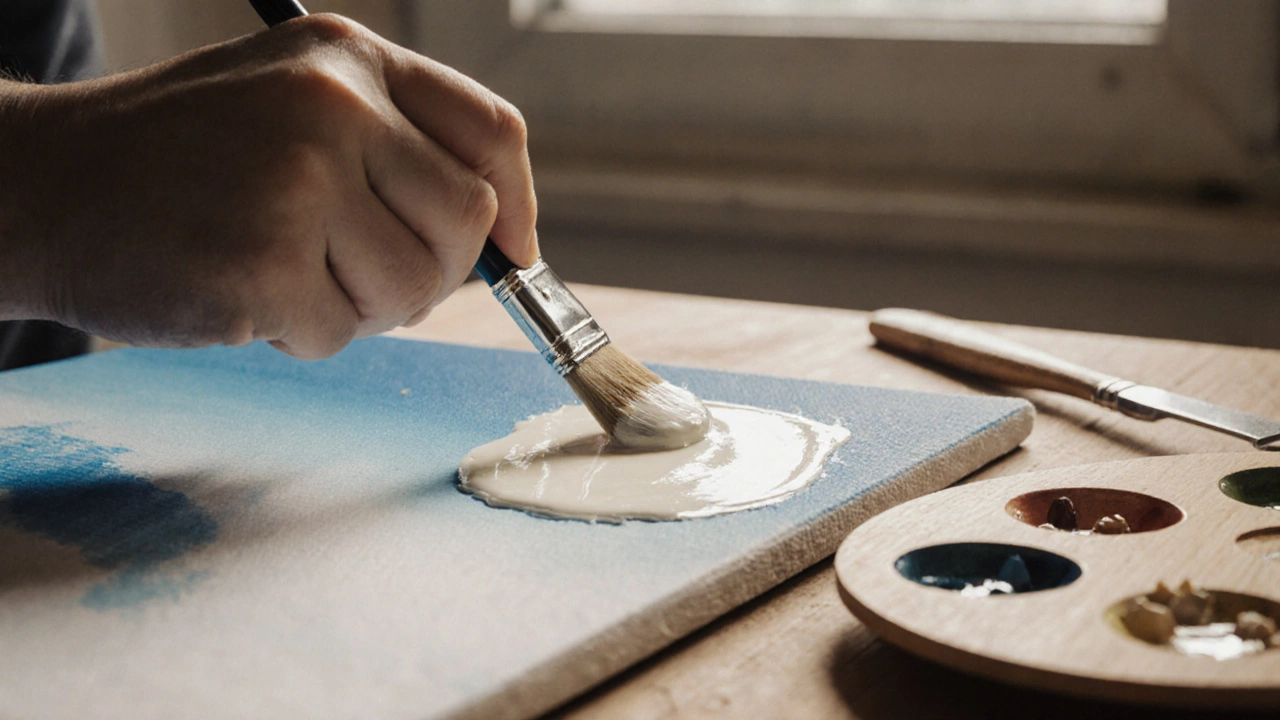
How to Get Smooth Oil Painting: Techniques for a Professional Finish
Learn how to achieve a smooth, professional finish in oil painting with practical techniques for blending, glazing, brushwork, and layering. No more brush strokes or rough patches.
When you think about art techniques, the methods artists use to create visual work, from brushwork to digital rendering. Also known as creative processes, it's not about having the best tools—it's about knowing what works for your vision. In late 2025, the most talked-about art techniques weren’t the ones taught in elite academies. They were the ones shared by people using phones, free apps, and kitchen tables. Whether you’re blending oil paint to hide brush strokes or scanning your doodles to turn them into prints, the real shift wasn’t in technology—it was in mindset. You don’t need years of training to make something people want to hang on their wall.
One big question that kept coming up: digital art, art created using digital tools, often without traditional drawing skills. Also known as computer-generated art, it’s no longer a niche hobby—it’s a mainstream way to express ideas. People realized you don’t need to draw well to start. You just need to start. Meanwhile, oil painting, a traditional medium still widely used for its depth and texture. Also known as fine art painting, it’s seeing a revival—not because it’s old, but because modern artists found ways to make it feel fresh. Smooth finishes, glazing layers, and controlled brushwork became the focus—not for galleries, but for people selling prints online. And then there’s the money side. street artists paid, artists who create public art and earn income through legal commissions, not graffiti. Also known as mural artists, they’re not waiting for handouts—they’re building businesses. In 2025, the ones making real money weren’t the ones tagging walls. They were the ones getting hired for murals, selling limited edition prints, and partnering with local brands.
What ties all this together? It’s not talent. It’s action. People figured out how to turn their art into something others will pay for—without waiting for permission. They learned which print sizes sell best, how to match colors accurately on a home scanner, and how to price their work so it feels valuable but not out of reach. You don’t need a degree to understand that an 8x10 print sells more than a 30x40. You just need to know what people actually buy.
What follows is a collection of real, practical guides from late 2025—no fluff, no theory, just what worked. Whether you want to fix a rough oil painting, turn your sketch into a print, or figure out how to get paid for art you make in public spaces, you’ll find exactly what you need here. No magic. Just methods.
Learn how to achieve a smooth, professional finish in oil painting with practical techniques for blending, glazing, brushwork, and layering. No more brush strokes or rough patches.
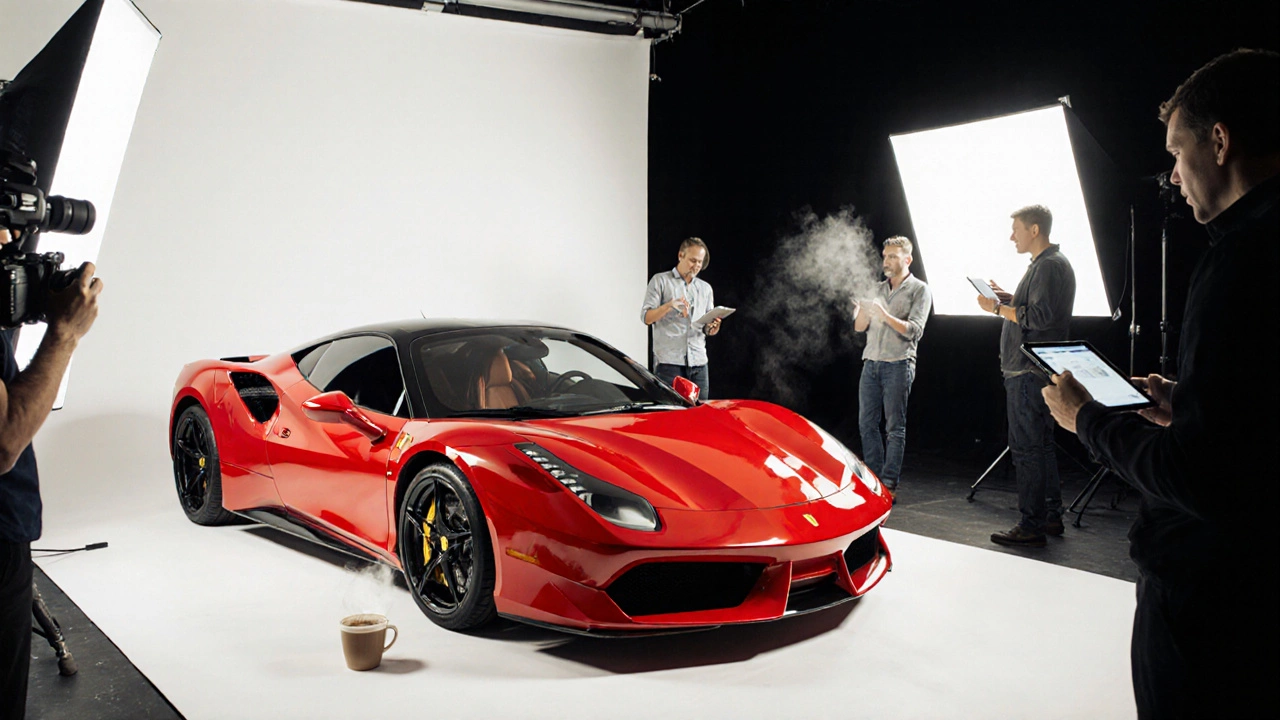
Commercial photography sells products; fine art photography expresses ideas. Learn how intent, process, and purpose separate these two worlds of photography-even when they use the same camera.
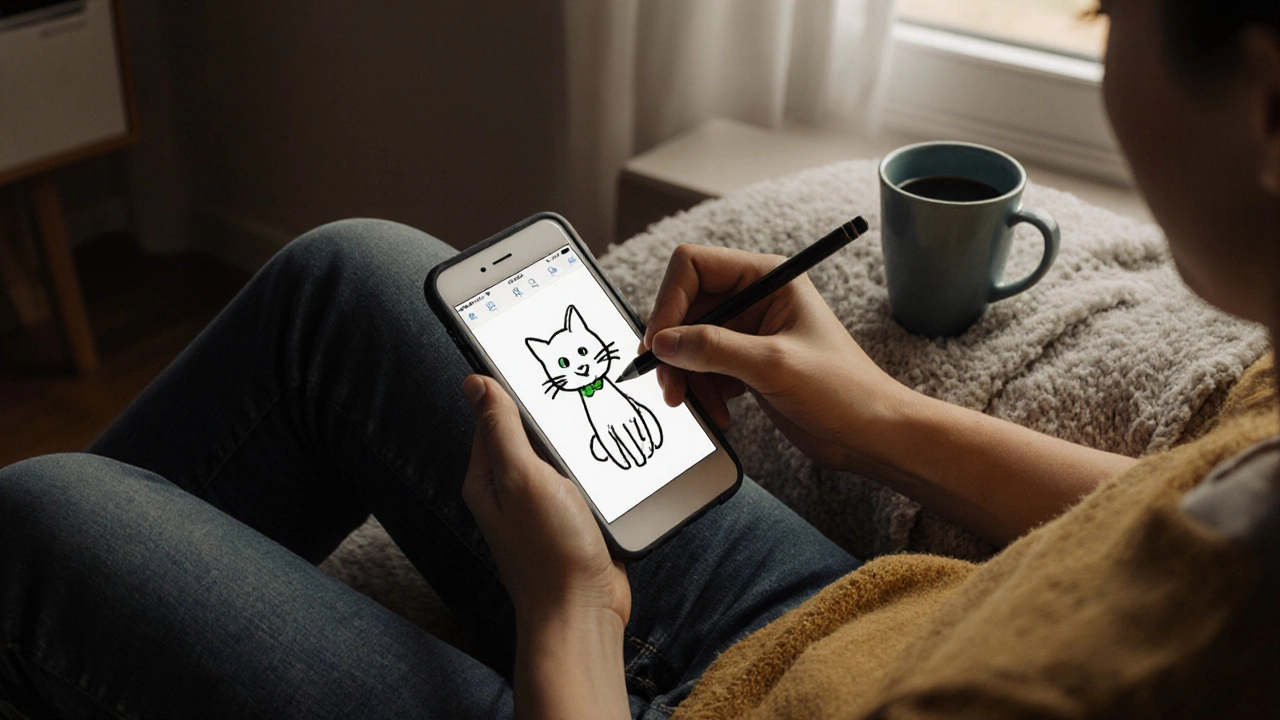
You don't need drawing skills or expensive tools to make digital art. It's about expression, not perfection. Here's how anyone can start creating today with just a phone and free apps.
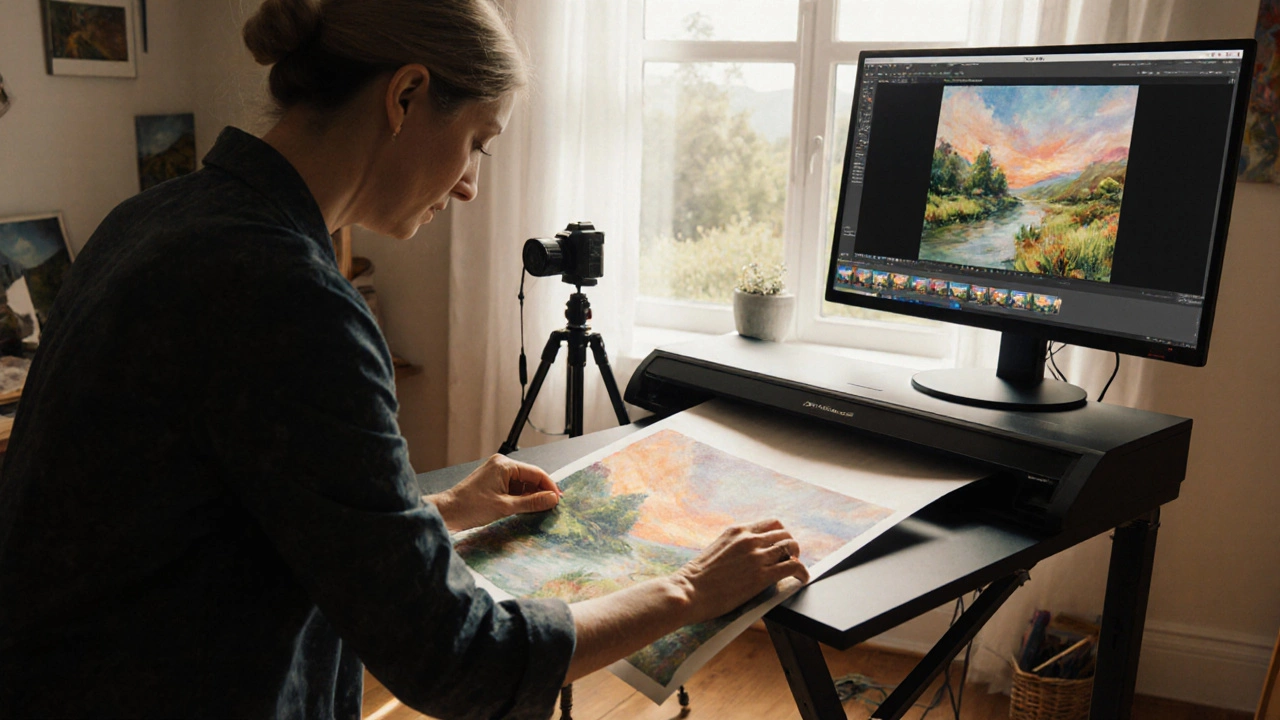
Learn how to turn your original art into high-quality prints with step-by-step guidance on scanning, color matching, printing, signing editions, and selling your work-without expensive equipment or professional help.
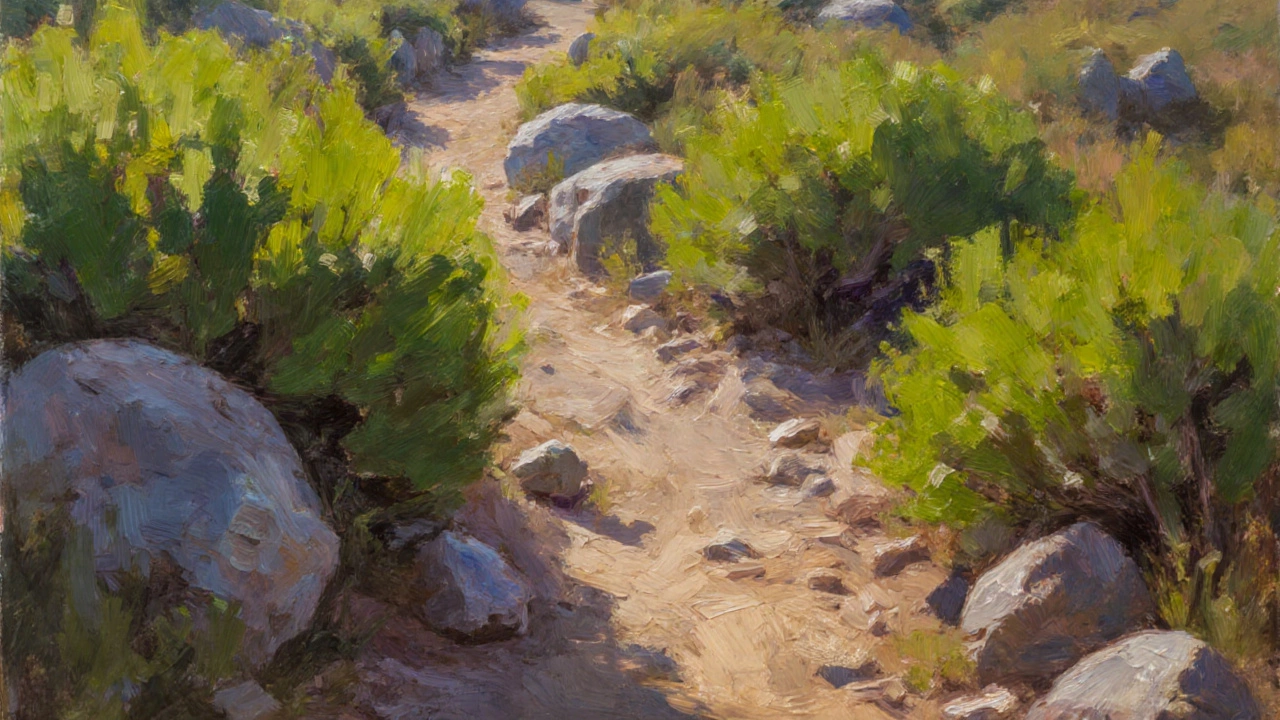
Learn the three essential components of landscape painting-foreground, middle ground, and background-and how they create depth, realism, and visual flow in any outdoor scene.
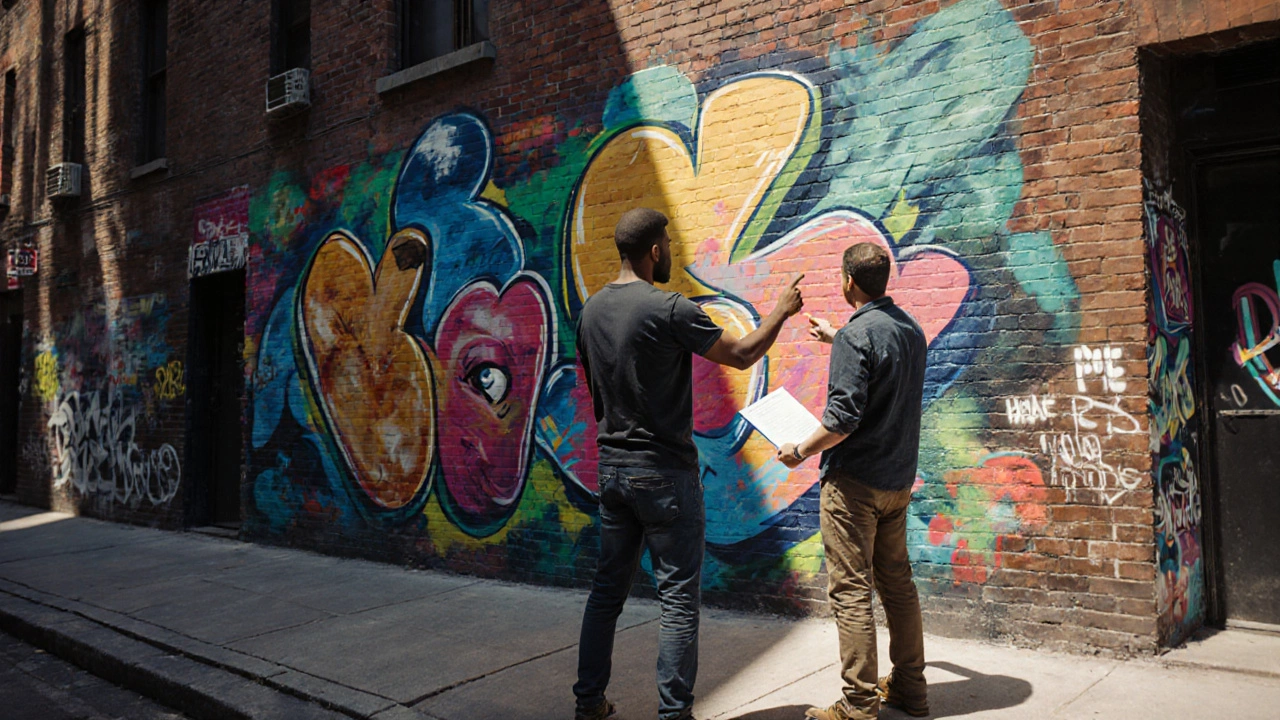
Street artists can get paid-but not for illegal graffiti. Most earn through commissioned murals, brand deals, print sales, and public grants. Learn how real artists make money in 2025.
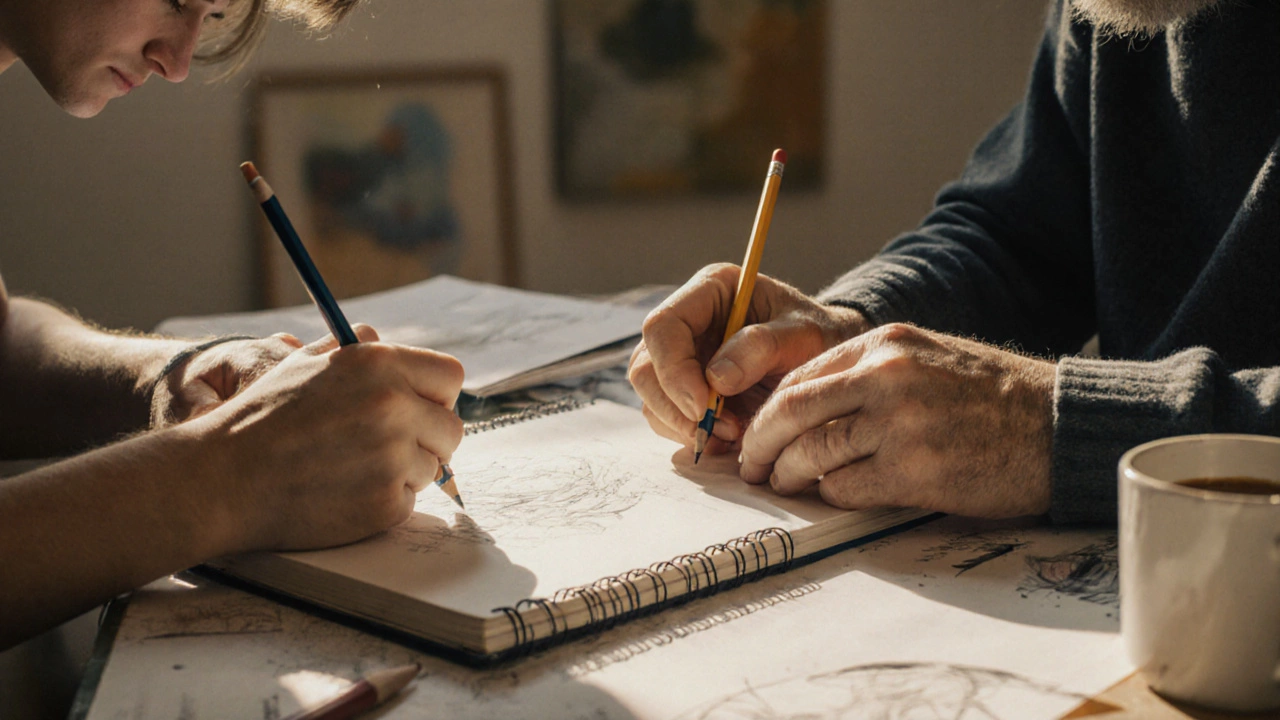
Is artistic talent genetic? Science says no-you're not born an artist. But with practice, observation, and persistence, anyone can learn to create meaningful modern art. Here's what really matters.
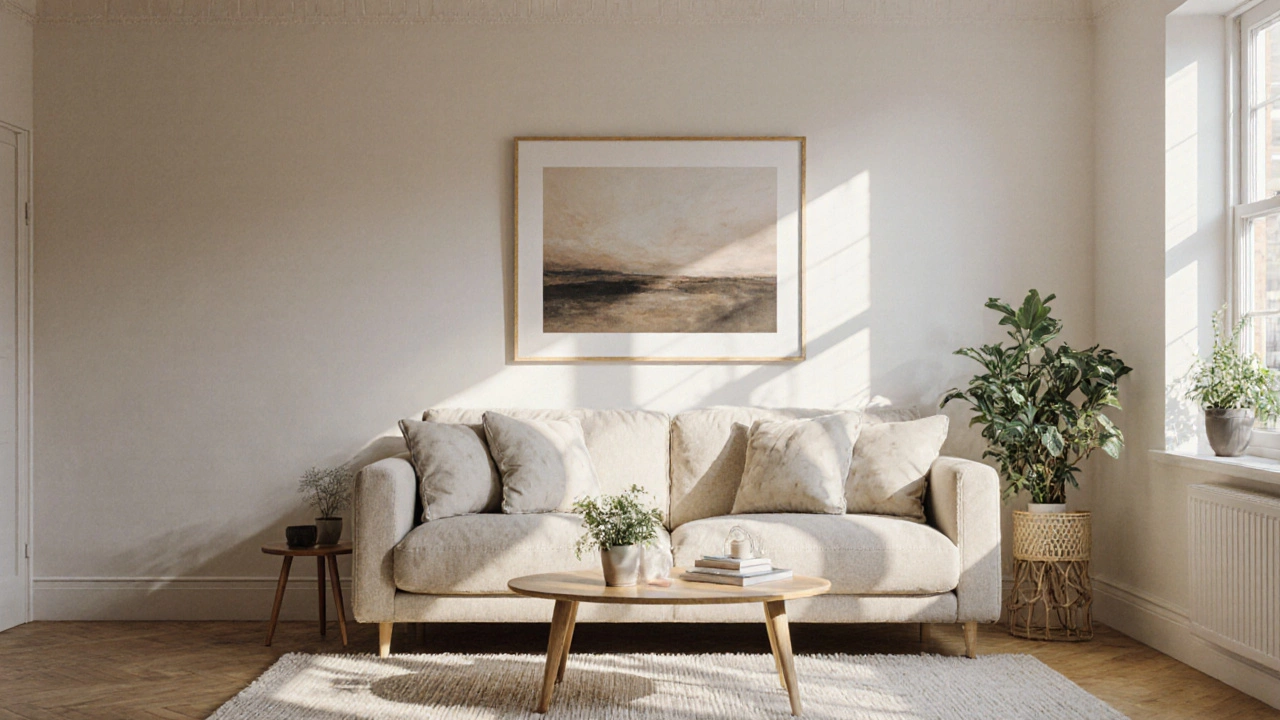
Discover the most popular art print sizes that sell the most, from affordable 8x10s to high-margin 16x20 and growing 20x24 options. Learn what sizes buyers actually want and how to price them for maximum sales.