Fine Art Photography – What It Is and Why It Matters
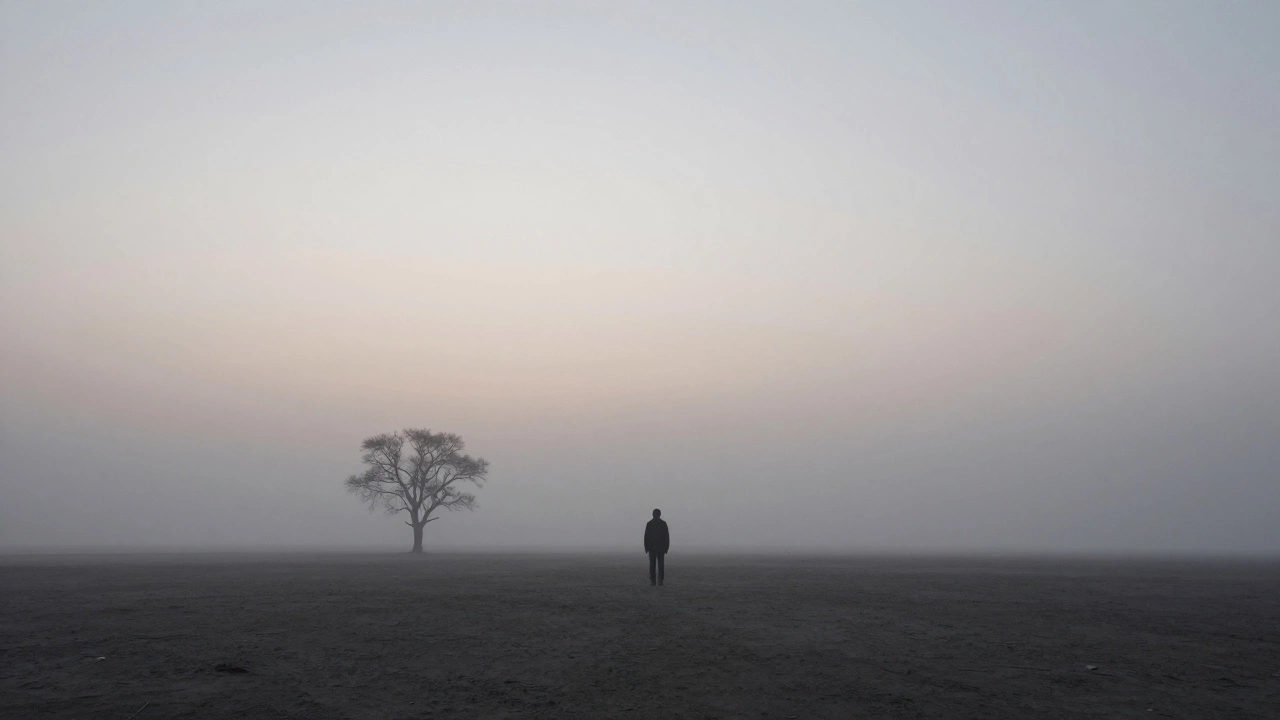
Fine art photography blends technical skill with a personal vision. Unlike commercial snaps, these images aim to provoke thoughts, tell stories, or capture an emotion. Think of it as painting with light – the photographer decides what’s important, frames it, and lets the viewer interpret the result.
Getting Started: Gear and Mindset
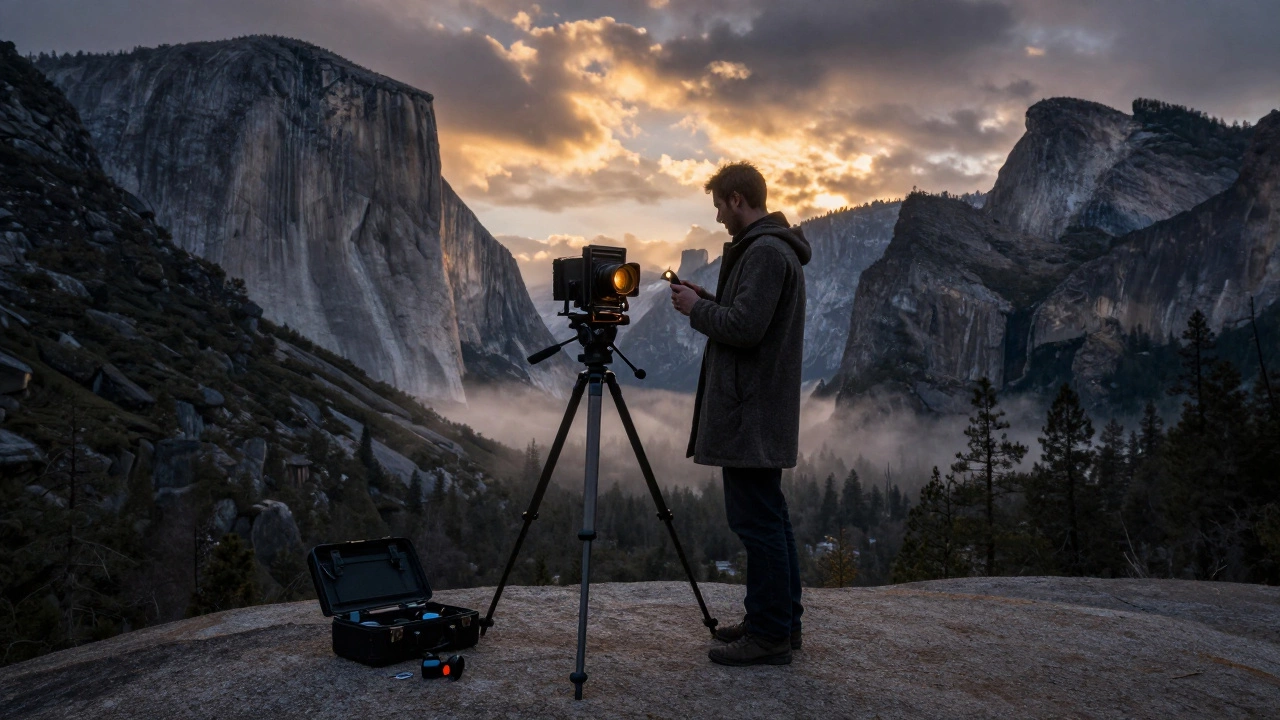
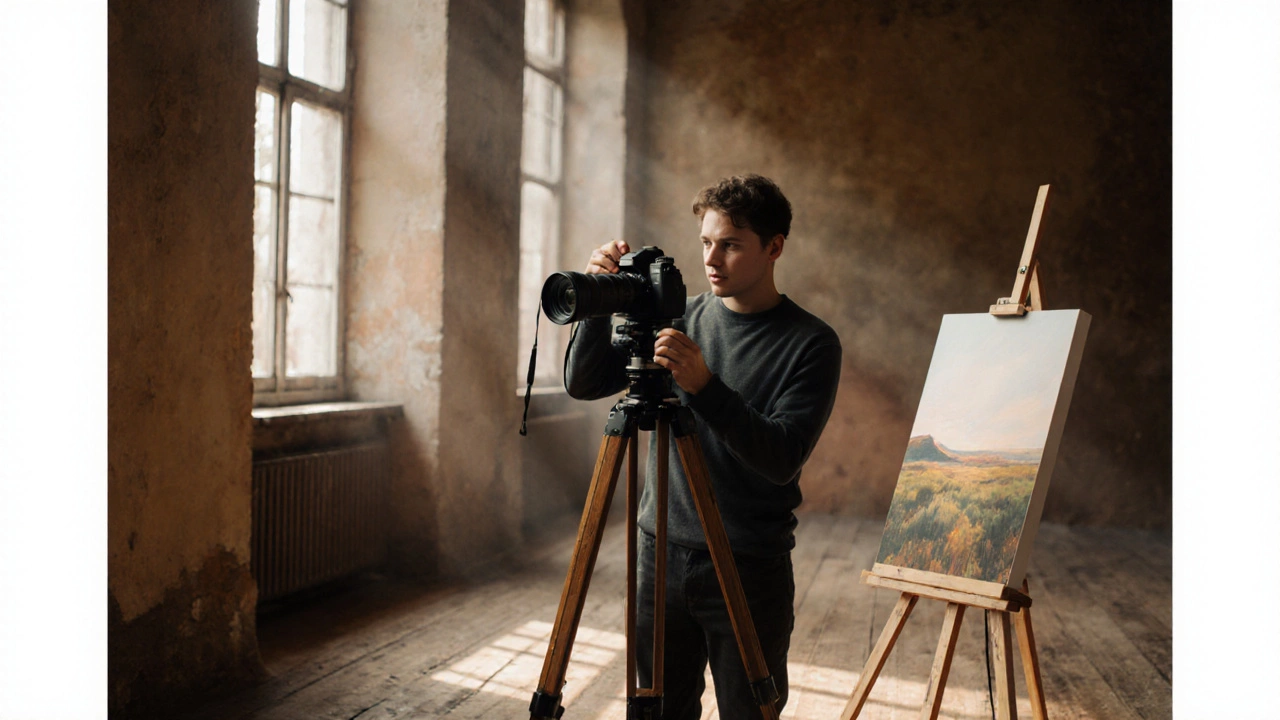
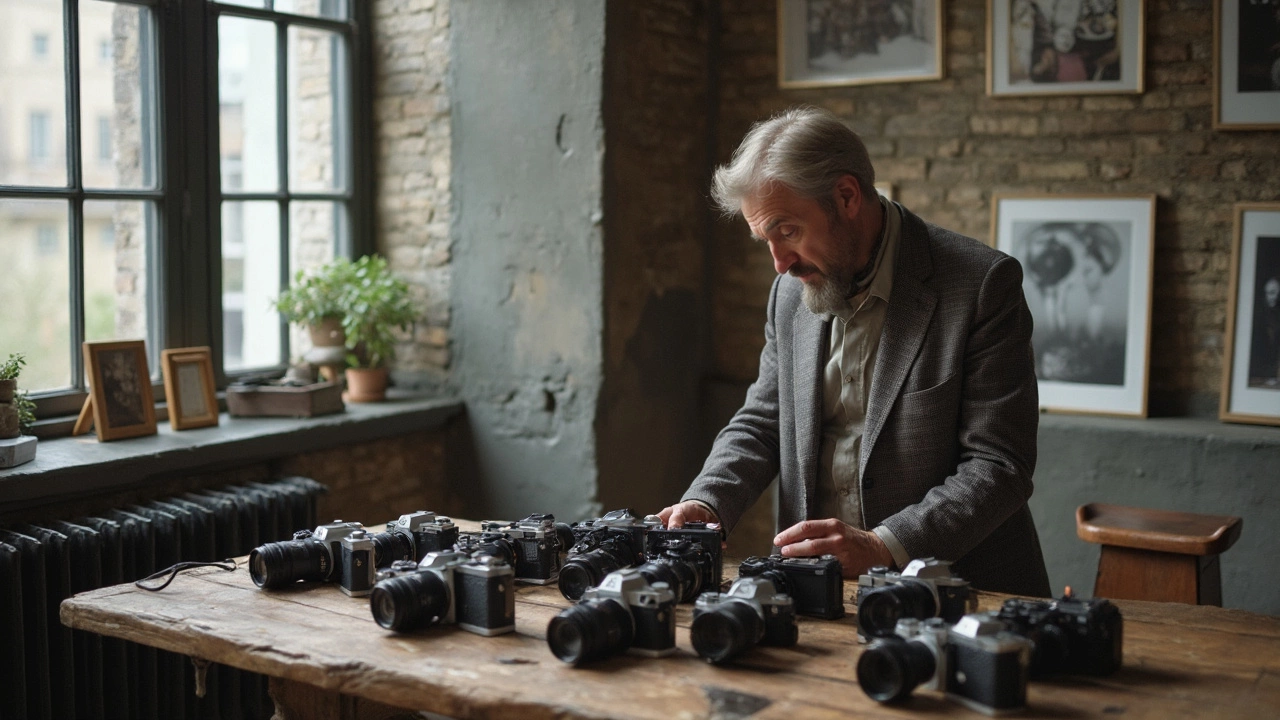
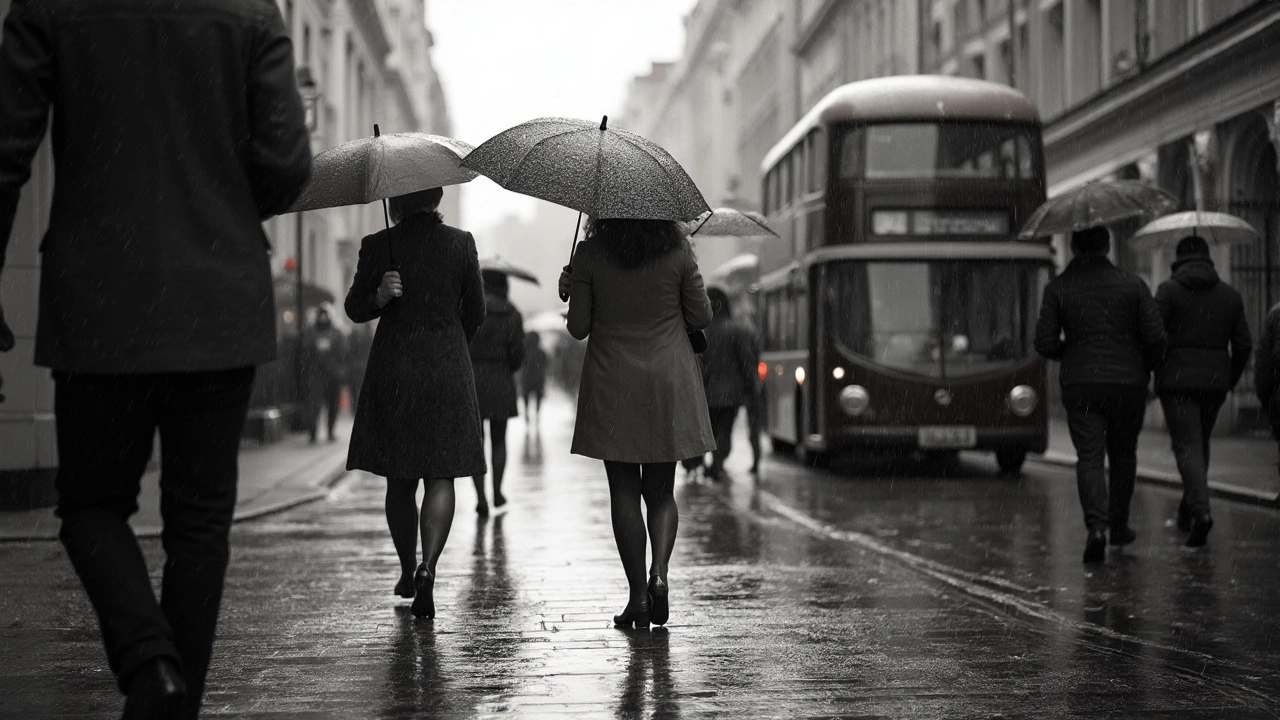
You don’t need the most expensive camera to create fine art photos. A solid DSLR or mirrorless body, a good prime lens, and a tripod are enough to begin. What matters more is learning how light works, mastering composition, and developing a style that feels genuine to you. Try shooting in raw, experiment with black‑and‑white conversion, and spend time reviewing each shot in detail – the goal is to understand why a image succeeds or falls flat.
Set yourself a simple brief before each shoot. Ask: What mood do I want to convey? Which colour palette supports that mood? This short mental checklist keeps the project focused and prevents endless gear‑tinkering.
Profitable Niches in Fine Art Photography
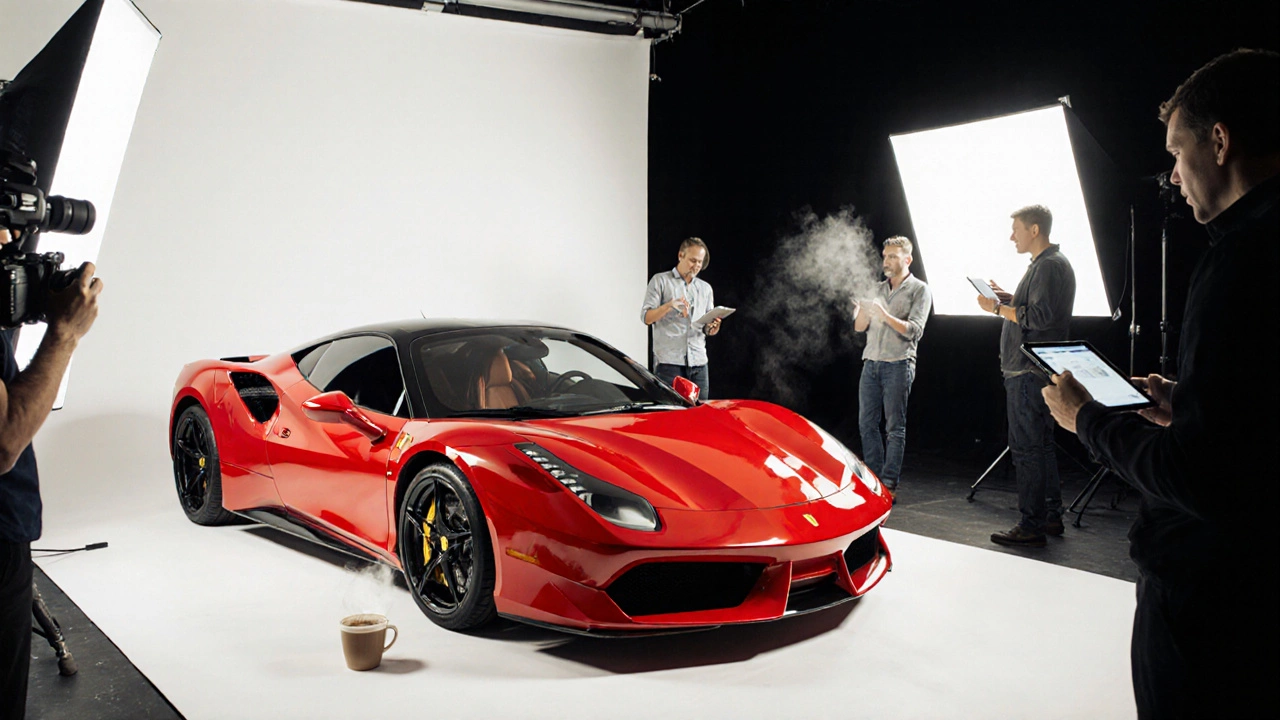
If you’re dreaming about making a living, look at the niches that actually bring in money. Our article Highest‑Paid Photography Niches: Which Type of Photography Makes the Most Money? breaks down the top earning categories. Commercial fine art prints, limited‑edition books, and gallery‑ready large formats are three strong options. Artists who pair a clear concept with high‑quality printing often command premium prices.
Another cash‑generator is licensing. Museums, hotels, and interior designers love unique prints that fit their aesthetic. Register your work with a reputable agency, set clear usage fees, and watch the royalties add up.
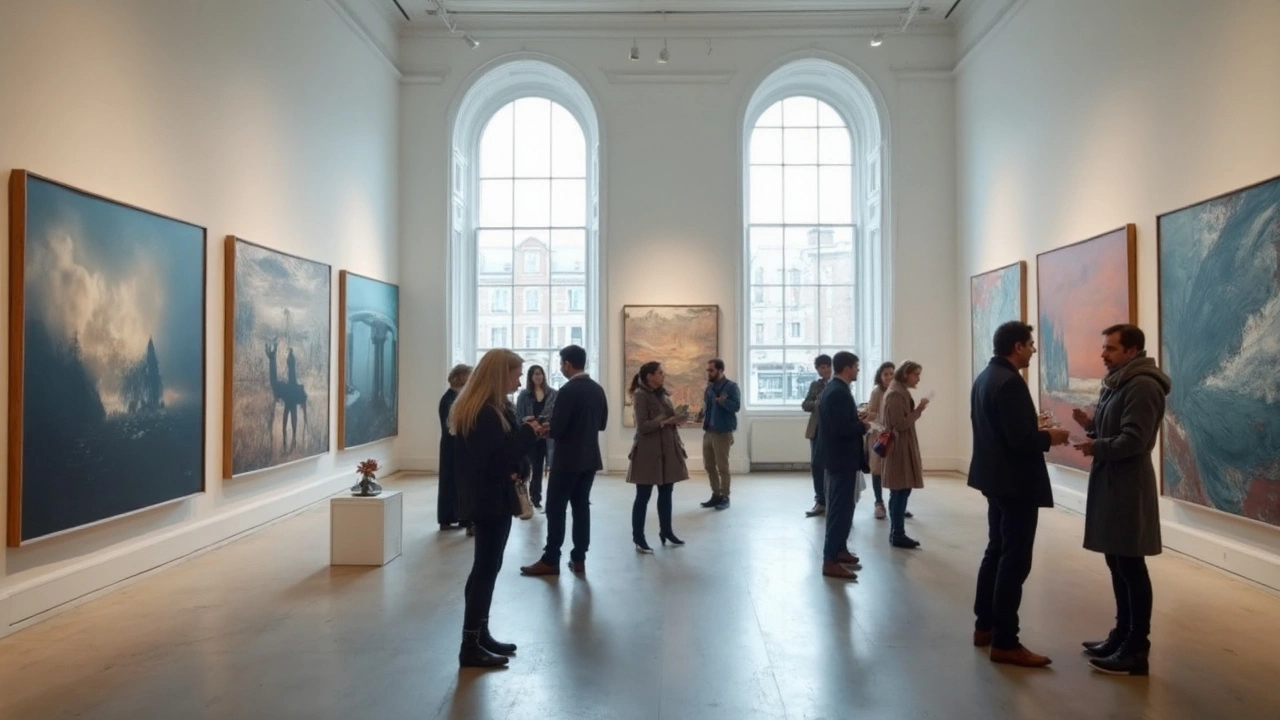
Beyond money, fine art photography thrives on community. Join local art groups, attend gallery openings, and share work on platforms like Instagram and Flickr. Real‑world feedback speeds up growth and can open doors to collaborations or shows.
Practical Tips to Boost Your Work
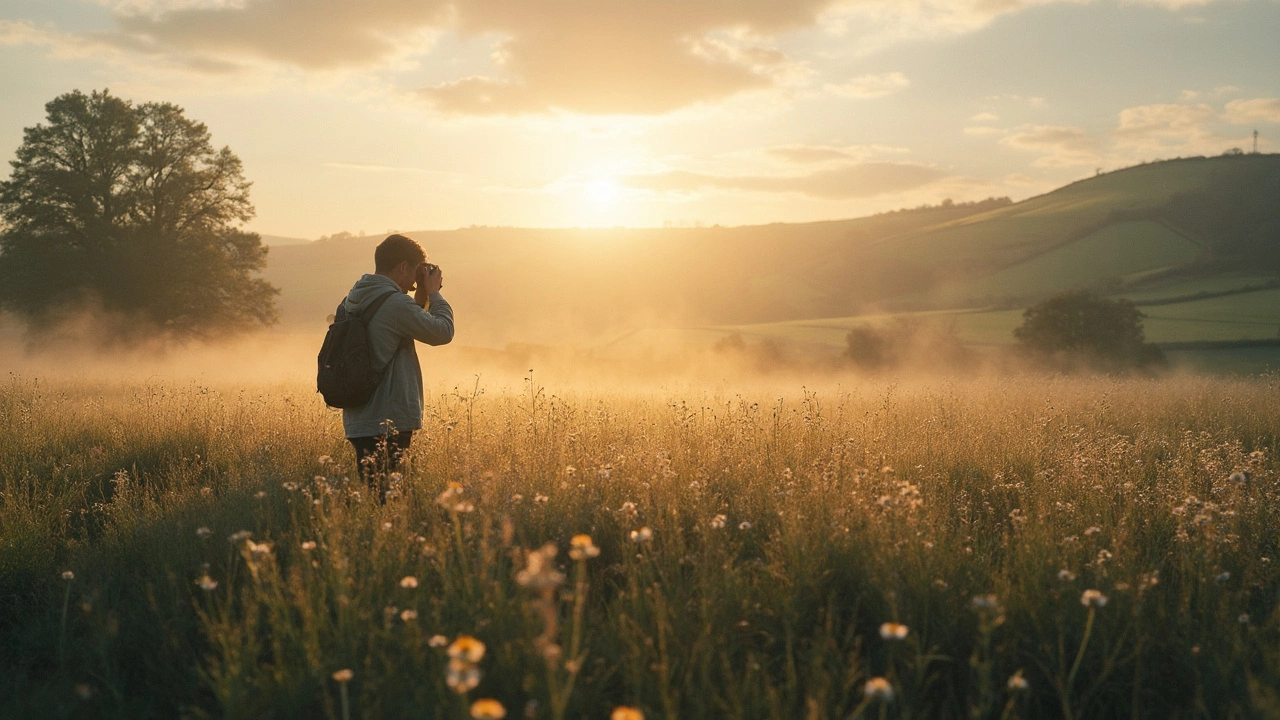
1. Master Light. Early morning or golden hour light adds depth without heavy editing. Use reflectors or diffusers to shape shadows.
2. Embrace Minimalism. A clean background lets the subject breathe. Remove clutter in‑camera or clean it up later with simple edits.
3. Print Test. Before committing to a large print, do a small‑scale test. It reveals how colours shift from screen to paper.
4. Story Over Gimmick. A clever concept beats flashy effects. Think of a narrative – a single image should ask a question or spark a memory.
Remember, fine art photography is a marathon, not a sprint. Keep shooting, stay curious, and let each project teach you something new. The more you experiment, the clearer your artistic voice becomes, and the easier it is to attract the right audience.
Ready to dive deeper? Check out our related guides on portrait pricing, selling art online, and how to get your first exhibition. Each article offers concrete steps you can apply today, helping you turn passion into a thriving creative practice.