Transparent Watercolor: Techniques, Tips, and What Makes It Unique
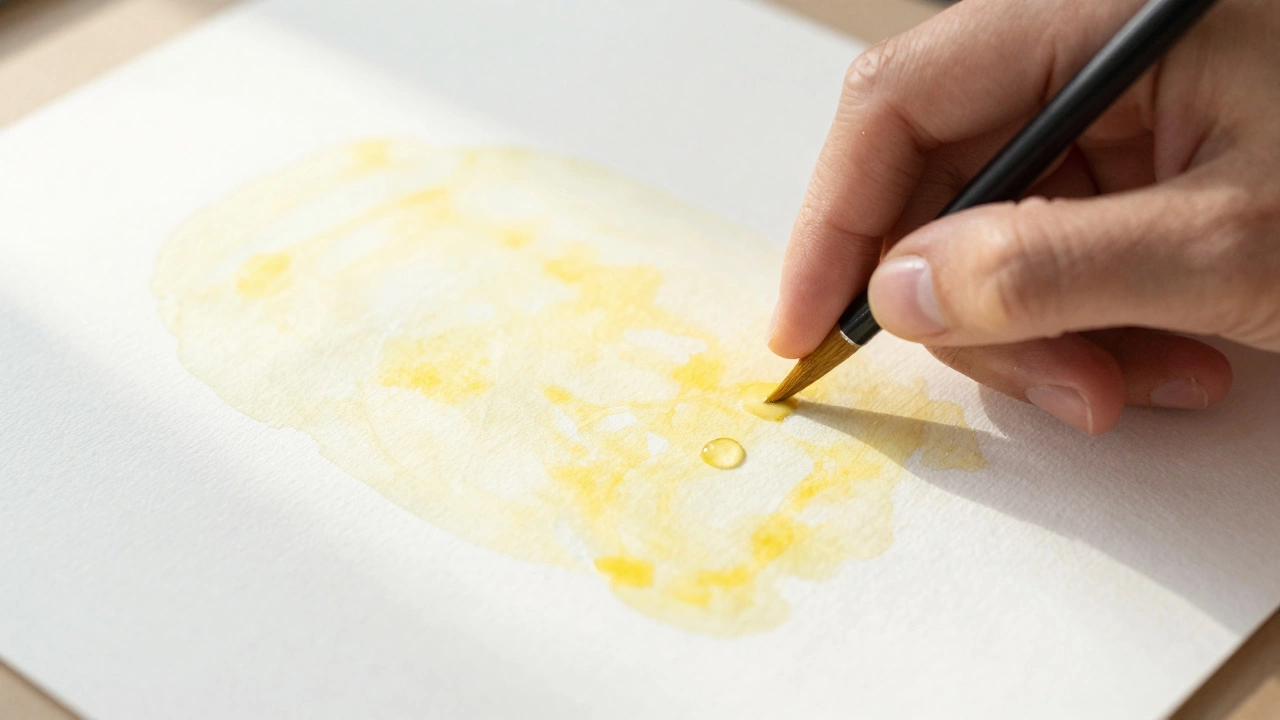
When you paint with transparent watercolor, a painting method where pigments are suspended in a water-soluble medium and applied in thin, luminous layers. It's not about hiding the paper—it's about letting the white of the paper and the light behind it become part of the color itself. Unlike opaque paints, transparent watercolor doesn’t sit on top of the surface. It sinks in, glows from within, and leaves space for the viewer’s eye to move through the layers. This is why artists call it "painting with light." You don’t mix colors on the palette as much as you let them blend on the paper—where wet meets wet, and pigment flows where it wants to.
What makes transparent watercolor different from other paints isn’t just the pigment—it’s the watercolor paper you use, the brushes you hold, and how you control water. Too much water, and the color bleeds out of control. Too little, and it looks dry and lifeless. The magic happens in the balance. Artists who master this don’t fight the medium—they work with its unpredictability. That’s why you’ll see soft skies, glowing sunsets, and delicate flowers in watercolor—it’s not because the artist is perfect. It’s because they learned to trust the flow.
You don’t need fancy tools to start. A good brush, a tube of cadmium yellow, and a sheet of 140lb cold-pressed paper are enough. Many beginners think they need to draw perfectly first, but that’s not true. Transparent watercolor rewards observation, not precision. The posts below show you how to paint simple subjects like clouds, leaves, and reflections without overcomplicating things. You’ll find tips on how to avoid muddy colors, how to plan your lightest areas before you start, and why some pigments stay bright while others turn dull. You’ll also see how artists use layering to build depth without ever touching a brush to the paper twice in the same spot.
There’s a reason transparent watercolor never goes out of style. It’s fast, portable, and honest. There’s no hiding a mistake—you either fix it with more water or let it stay as part of the piece. That’s why it’s used by professionals and hobbyists alike. Whether you’re painting a quick sketch on a train or a detailed landscape in your studio, the rules stay the same: let the water do the work. The posts here cover everything from choosing the right pigments to turning a messy wash into a beautiful texture. You’ll find real examples, real mistakes, and real fixes—not theory, not perfection. Just what works.