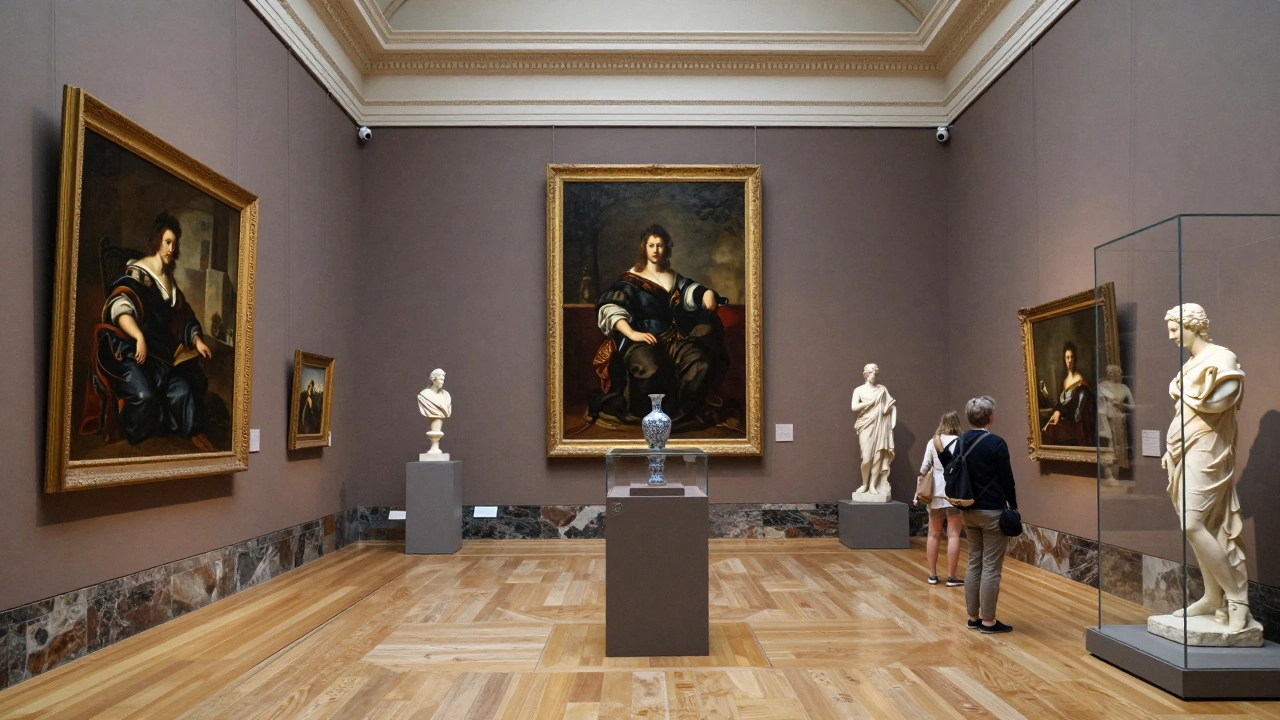
What Are the Two Main Types of Art Exhibitions?
Learn the two main types of art exhibitions-permanent and temporary-and how they shape how we experience art in museums and galleries today.
A temporary exhibition, a curated display of artwork shown for a limited time, often in galleries, museums, or unconventional spaces. Also known as a pop-up art show, it’s not just a way to hang paintings—it’s a deliberate act of timing, context, and urgency in the art world. Unlike permanent collections that sit quietly on walls for years, a temporary exhibition is meant to be experienced while it’s here. It doesn’t wait. It doesn’t linger. It grabs attention, sparks conversation, and then disappears—leaving behind memories, not just objects.
These shows often feature contemporary art, art made in the recent past or present, reflecting current ideas, materials, and cultural shifts. Think of a street artist’s mural painted over a warehouse wall, a digital projection that changes every hour, or a collection of protest posters assembled in a vacant storefront. They’re not just art—they’re events. And they rely on gallery show, a planned presentation of artworks in a curated space, often with a theme, narrative, or artist focus to give them structure. A gallery show isn’t just about where the art hangs—it’s about how it’s framed, lit, and timed. The same painting can feel totally different in a white cube gallery versus a converted church or a subway station.
Why do artists and curators choose temporary over permanent? Because control is fleeting. A temporary exhibition lets you test ideas without long-term commitment. It lets you respond to what’s happening now—politics, technology, climate, identity. It lets you surprise people. You don’t need a museum budget to pull one off. Many of the most powerful shows happen in rented rooms, abandoned buildings, or even online for just 72 hours. The best ones stick with you because you knew they wouldn’t last.
Temporary exhibitions also connect directly to how art is sold today. If you’ve ever wondered how artists turn their work into prints, or why certain sizes sell better, it’s often because those pieces were first seen in a short-run show. The buzz from a pop-up exhibit can launch a print series, drive traffic to an Etsy shop, or land a mural commission. You don’t need a decade of credentials to get noticed—you just need a strong idea and the courage to show it before it’s gone.
Whether you’re an artist planning your first show or a viewer trying to make sense of what you’re seeing, understanding temporary exhibitions changes how you experience art. It’s not about permanence. It’s about presence. It’s about showing up, feeling something, and knowing you were there at the right time.
Below, you’ll find real guides and insights from artists, curators, and sellers who’ve lived through this world—how to plan one, what works, what doesn’t, and why some shows become legends while others vanish without a trace.
Learn the two main types of art exhibitions-permanent and temporary-and how they shape how we experience art in museums and galleries today.