What Are the Two Main Types of Art Exhibitions?
Learn the two main types of art exhibitions-permanent and temporary-and how they shape how we experience art in museums and galleries today.
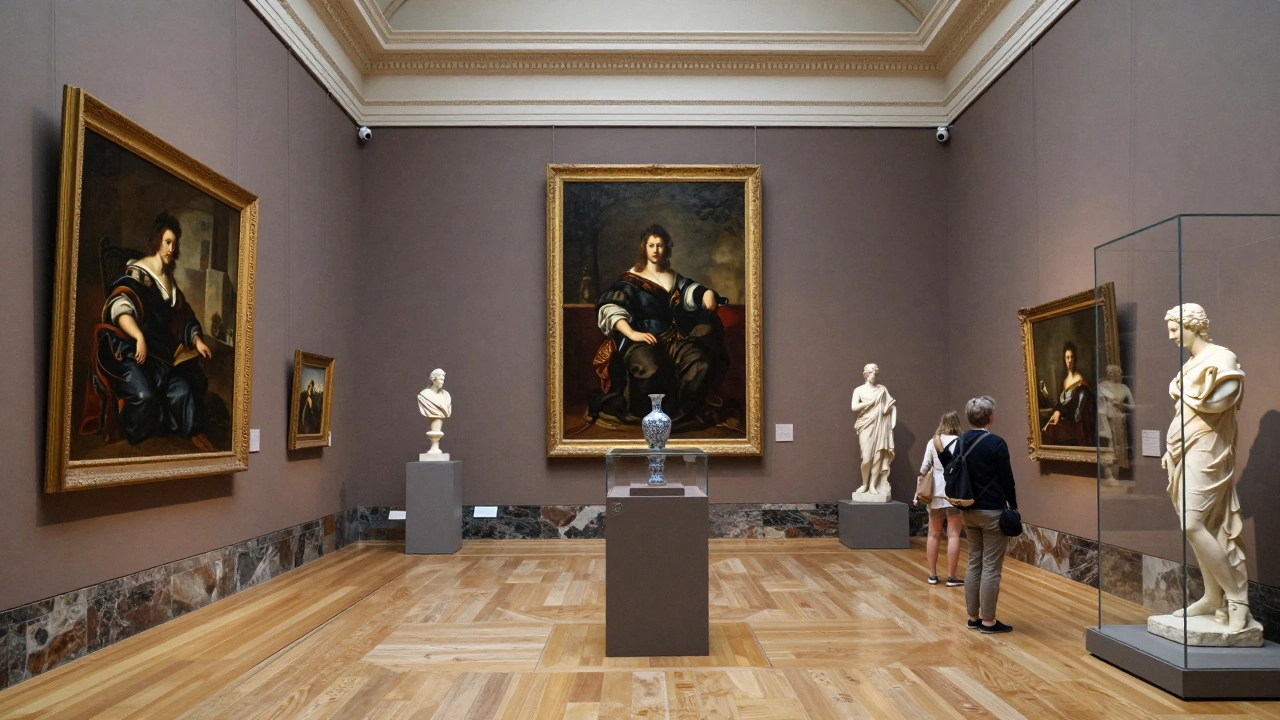
When you walk into a museum and see the same paintings, sculptures, or installations year after year, you’re looking at a permanent exhibition, a curated collection of artworks intentionally kept on display long-term to form a core part of an institution’s identity. Also known as a permanent art collection, it’s not about novelty—it’s about legacy. Unlike pop-up shows or rotating galleries, a permanent exhibition doesn’t change with the season. It’s meant to anchor your understanding of an artist, movement, or era. Think of it like your favorite book on a shelf—you don’t read it once and put it away. You return to it. That’s the power of something built to last.
These displays aren’t just about hanging art. They’re carefully planned decisions about museum display, the physical and conceptual arrangement of artworks to guide viewer experience and tell a cohesive story. Every light, every spacing, every label is chosen to help you connect the dots. A gallery installation, a spatial arrangement of artworks designed to create an immersive or thematic environment in a permanent exhibition often becomes iconic—think of Warhol’s Brillo Boxes or Van Gogh’s Starry Night. These aren’t just objects. They’re cultural landmarks.
What makes a permanent exhibition different from a temporary one? Timing. A temporary show might celebrate a new artist or a trend. A permanent one answers the question: What do we believe is essential to remember? It’s where museums make their case for what art history is, not just what it might become. That’s why you’ll often see the same pieces repeated across major institutions worldwide—they’ve been vetted by time, not just by curators.
And here’s the thing: permanent exhibitions don’t have to be old. Modern and contemporary art is increasingly part of them. A single digital piece, a video loop, or a conceptual sculpture can become a permanent fixture if it shifts how we think. The line between temporary and permanent is blurring. What matters is impact, not age.
Behind every permanent exhibition is a team deciding what to keep, what to hide, and what to forget. That’s why some works feel familiar, while others surprise you. Some are there because they sold well. Others because they sparked debate. And some because they changed everything.
Below, you’ll find real discussions about how art is presented, interpreted, and preserved. Whether it’s how to plan the right number of pieces for a show, why some artists earn lasting recognition, or how digital art fits into long-term collections—these posts help you see beyond the frame. You’ll learn what makes certain works stick, why some galleries choose permanence over novelty, and how you can understand art that’s meant to stay.
Learn the two main types of art exhibitions-permanent and temporary-and how they shape how we experience art in museums and galleries today.