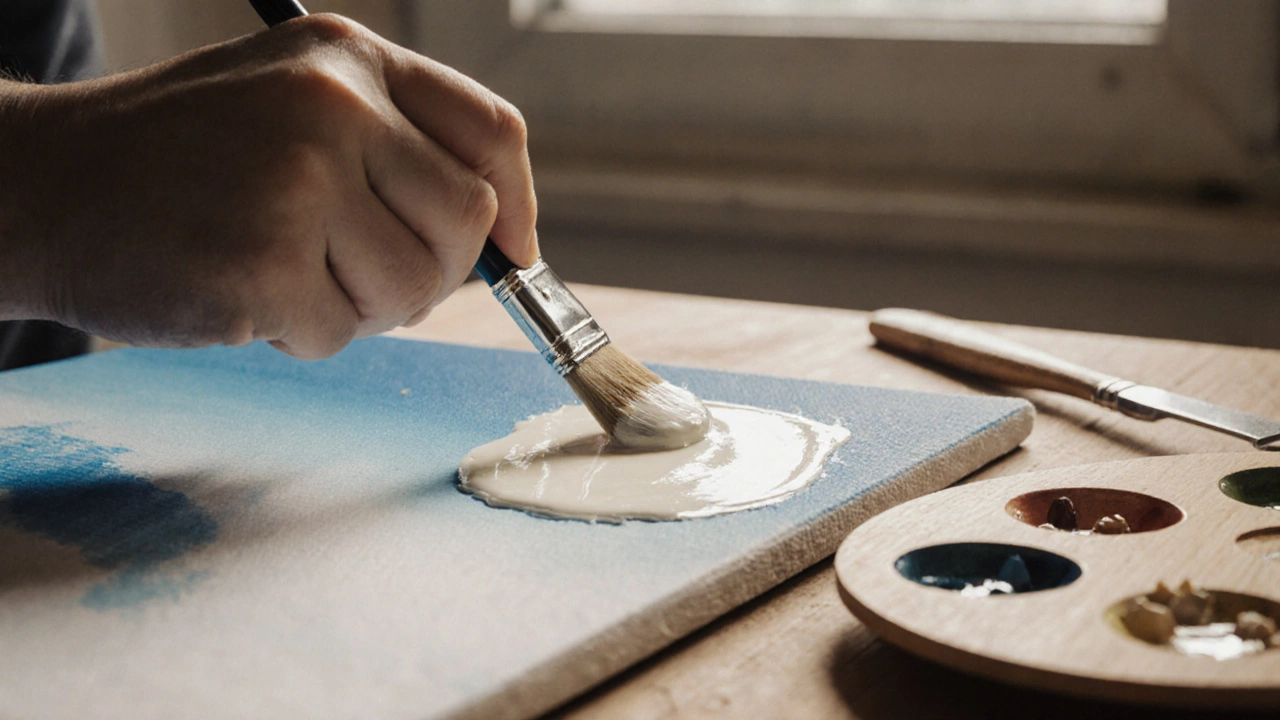
How to Get Smooth Oil Painting: Techniques for a Professional Finish
Learn how to achieve a smooth, professional finish in oil painting with practical techniques for blending, glazing, brushwork, and layering. No more brush strokes or rough patches.
When you hear oil painting technique, the methods artists use to apply and layer oil paint to create texture, depth, and light. Also known as oil painting method, it’s not just about brushing paint on canvas—it’s about timing, pigment choice, and knowing when to let layers dry or blend wet into wet. This isn’t magic. It’s physics, patience, and practice.
One of the most common alla prima technique, a direct painting method where the whole piece is finished in one session using wet-on-wet brushwork. Also known as wet-on-wet painting, it’s favored by plein air artists who need to capture light before it changes. Then there’s glazing, a layered approach where thin, transparent coats of paint are applied over dried layers to build richness and depth. Also known as transparent layering, it’s how old masters got that glowing skin tone or deep blue sky. You don’t need to pick one. Many artists mix both—starting with alla prima for structure, then adding glazes for detail.
What makes an oil painting look alive? It’s not the brush. It’s the oil painting technique behind it. A thick impasto stroke can catch light like a sculpture. A smooth, blended transition can make a cheek look warm and real. A single glaze over dried brown can turn a shadow into something deep and mysterious. The tools matter—linseed oil, turpentine, palette knives—but they’re just helpers. The real magic happens when you understand how paint behaves, how long it takes to dry, and when to push it or wait.
Some people think you need years to get good. That’s not true. You need to try. Start with simple subjects—a single apple, a cup, a face in profile. Use the alla prima method to get comfortable with mixing and moving paint fast. Then, try one glaze over a dried layer. See how it changes. No one teaches you this in school. You learn by doing, failing, and trying again.
Below, you’ll find real guides from artists who’ve figured this out. Not theory. Not fluff. Practical steps on how to make your colors pop, how to avoid muddy tones, how to finish a painting without overworking it, and how to turn a beginner’s mess into something you’re proud to hang on the wall.
Learn how to achieve a smooth, professional finish in oil painting with practical techniques for blending, glazing, brushwork, and layering. No more brush strokes or rough patches.