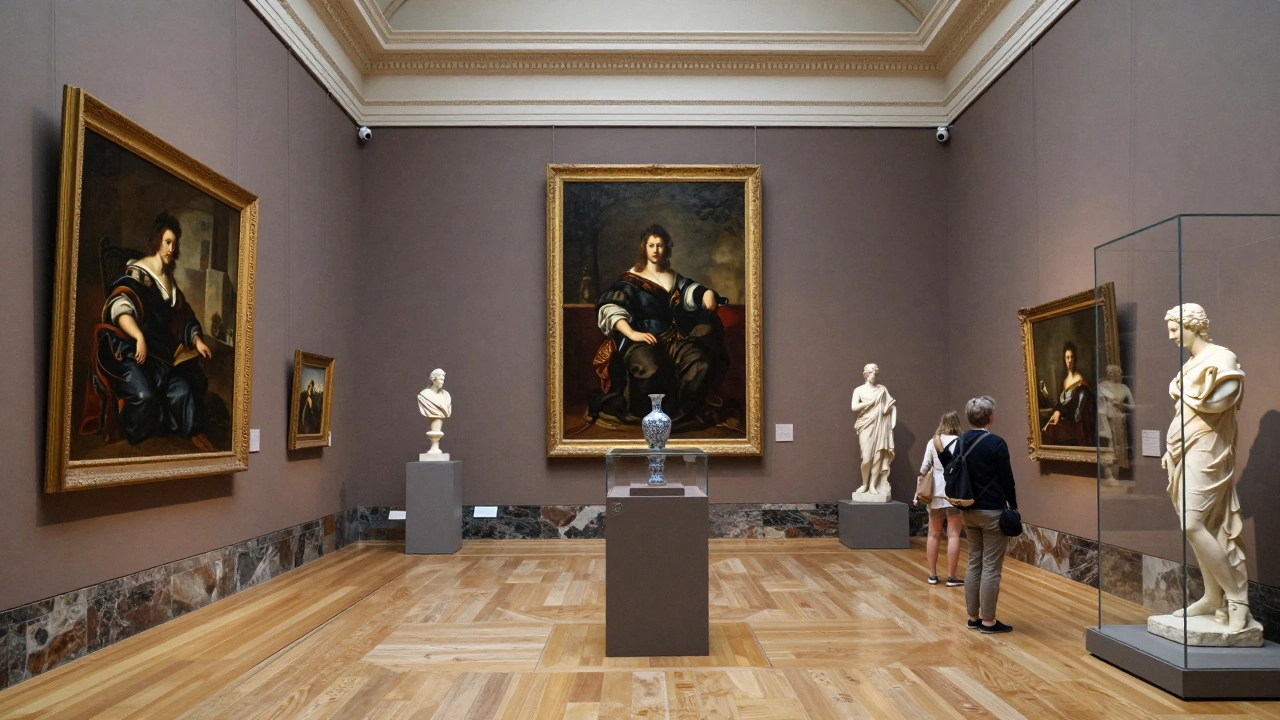
What Are the Two Main Types of Art Exhibitions?
Learn the two main types of art exhibitions-permanent and temporary-and how they shape how we experience art in museums and galleries today.
When you walk into a space filled with art, you’re not just seeing paintings or sculptures—you’re stepping into a specific kind of art exhibition, a curated presentation of artwork designed to communicate a theme, idea, or emotion. Also known as an art show, it’s the stage where art becomes an experience, not just an object. Not all art exhibitions are the same. Some are quiet and formal, others loud and unexpected. Knowing the difference helps you get more out of every visit.
There are a few main types of art exhibitions, structured formats that determine how art is displayed, who organizes it, and what it’s trying to achieve. The most common is the gallery exhibition, usually held in a commercial or nonprofit space, where a single artist or small group shows new work. Then there’s the solo exhibition, a deep dive into one artist’s vision, often spanning years of work. These feel personal, like listening to someone tell their whole story. On the other end, pop-up art shows, temporary, often unconventional displays in warehouses, cafes, or streets. They’re unpredictable, raw, and sometimes illegal—but they’re where a lot of new ideas start. Institutional exhibitions, like those in museums or public galleries, are usually bigger, research-backed, and tied to historical movements or cultural themes. They’re not just about selling art—they’re about shaping how we remember it.
What you’re looking at changes depending on the type. A solo show asks you to understand one person’s journey. A pop-up makes you question where art belongs. A museum exhibit tells you what’s important enough to preserve. And none of them work the same way. Some require quiet attention. Others demand movement, interaction, even a little rebellion. The best ones don’t just hang on walls—they change how you think.
Below, you’ll find real posts from artists, curators, and collectors who’ve been inside these spaces. They break down what makes each exhibition type work, how to read them, and why some stick with you long after you’ve left. Whether you’re trying to show your own work, plan a visit, or just understand why some art feels different than others—this collection has the answers you won’t find in a brochure.
Learn the two main types of art exhibitions-permanent and temporary-and how they shape how we experience art in museums and galleries today.